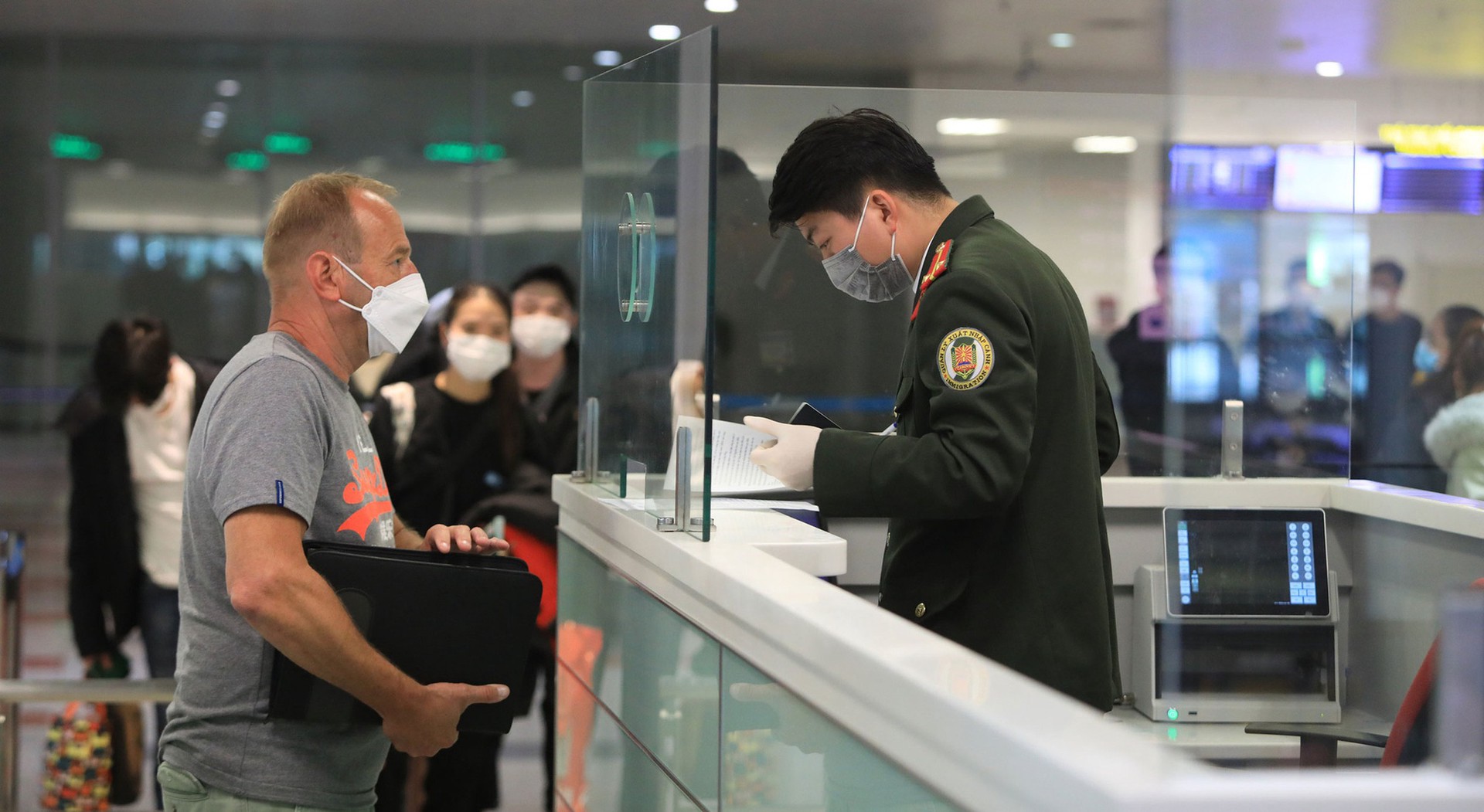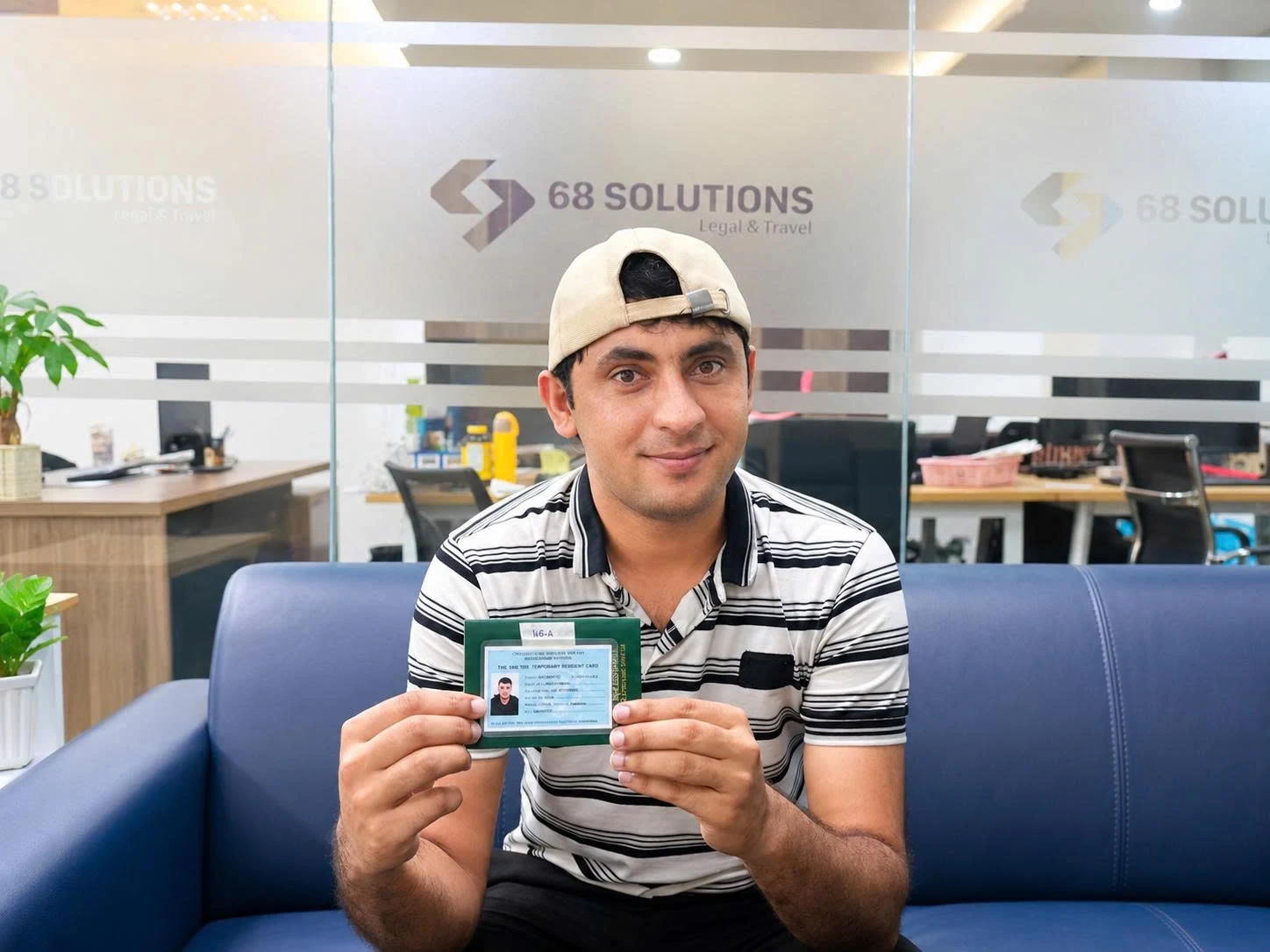
For various reasons, some foreign visitors prefer not to extend their current visa, or they may find that an extension is not possible. Yet they still wish to remain in Vietnam for a longer period. In these situations, completing a visa run often becomes one of the most practical and efficient solutions available. Understanding the Vietnam Visa Run process is therefore extremely useful—particularly for those planning to spend an extended period living, working, or traveling in Vietnam.
What Is a Visa Run?
A Vietnam Visa Run refers to a method used by foreign travelers to prolong their stay in the country when their visa is approaching its expiration date. Rather than applying for a visa extension—which may involve higher costs or administrative procedures—they temporarily leave Vietnam and return with a newly issued visa.
In essence, a visa run is a short journey from Vietnam to a neighboring nation such as Laos, Cambodia, China, or Thailand. Travelers may remain in that country for only a few hours or perhaps a couple of days before re-entering Vietnam with a new visa and a fresh permitted stay period. Importantly, the trip must be completed before the existing visa expires in order to avoid penalties or immigration complications.
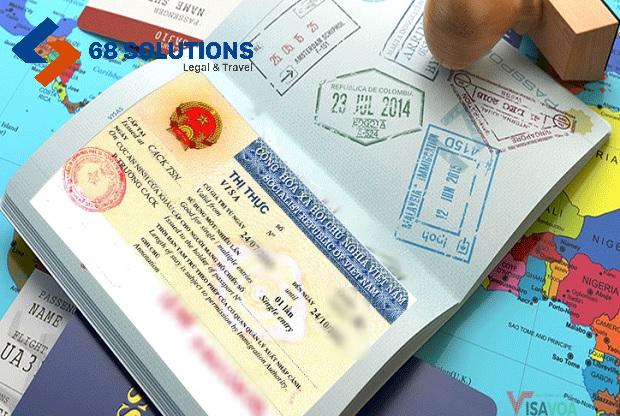
Why Do People Do a Visa Run?
Although completing a Vietnam Visa Run requires leaving the country and returning again, the process continues to be popular because it offers several appealing advantages.
Simple Process and Reasonable Cost
Extending a visa in Vietnam usually requires a sponsoring organization or a local service provider. This process may involve higher fees and additional administrative steps. By comparison, a visa run often presents a simpler and more cost-effective way to obtain a new visa and continue staying in Vietnam legally.
Greater Flexibility
Visa extensions can sometimes limit the length of stay or the number of entries permitted. A Vietnam Visa Run, however, allows travelers to obtain a completely new visa. These visas typically offer validity periods of one to three months and may be issued for either single entry or multiple entries, depending on eligibility.
Vietnam Visa Run in Brief
| Types of Visa Run | Visa run by air
Visa run by road |
| Who Needs a Visa Run? | Foreign nationals currently staying in Vietnam who cannot or prefer not to extend their visa but still wish to continue their stay. |
| Who Is Eligible? | Travelers who entered Vietnam under one of the following categories:
|
| Advantages |
|
| Disadvantages | Travelers must exit Vietnam and re-enter the country again |
| Estimated Cost | Visa government fees generally range from US$25 to US$50, not including additional fees for visa approval letters or e-visa applications. |
| Required Documents |
|
Types of Vietnam Visa Run
In Vietnam, there are two primary methods for completing a visa run: traveling by air or traveling by road.
Visa Run by Air
A visa run by air means leaving Vietnam on an international flight and returning by airplane. This option is commonly preferred by foreigners residing in Northern Vietnam or by travelers who favor the convenience of airport immigration procedures.
Vietnam currently operates 8 international airports that can be used for a Vietnam Visa Run:
- Noi Bai International Airport (Hanoi)
- Tan Son Nhat International Airport (Ho Chi Minh City)
- Cat Bi International Airport (Hai Phong)
- Da Nang International Airport (Da Nang)
- Cam Ranh International Airport (Khanh Hoa)
- Lien Khuong International Airport (Da Lat – Lam Dong)
- Phu Quoc International Airport (Phu Quoc)
- Can Tho International Airport (Can Tho)
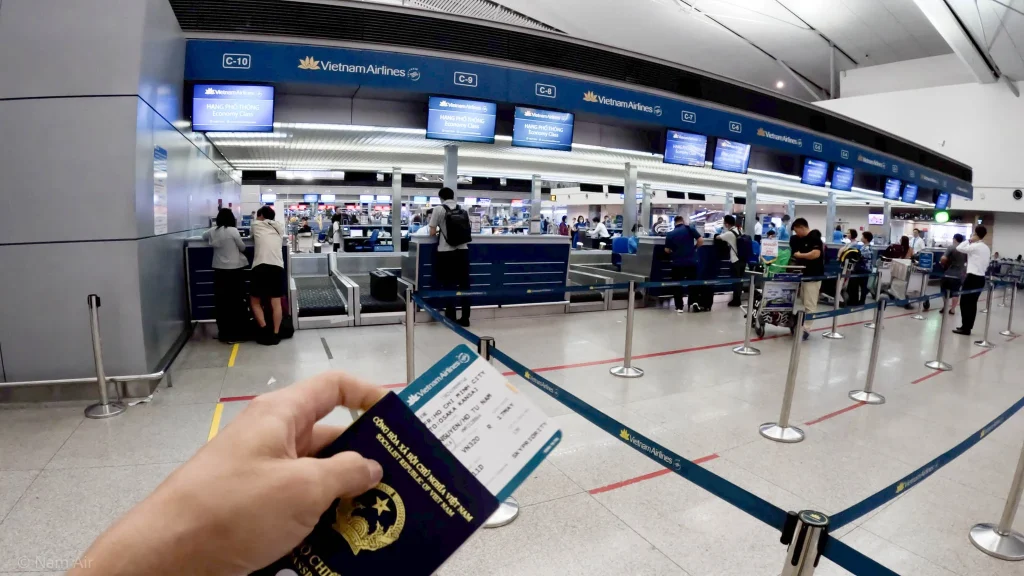
These airports allow travelers to exit Vietnam and return with a new visa after completing the necessary procedures abroad.
Visa Run by Road
A visa run by road involves crossing a land border from Vietnam into a neighboring country and then returning through the same checkpoint. This method is typically chosen by foreigners living in Central or Southern Vietnam because it can often be completed more quickly and at a lower cost.
Vietnam shares land borders with several countries, offering 16 checkpoints suitable for a Vietnam Visa Run. The main border gates include:
- Bờ Y – Kon Tum (bordering Laos)
- Cha Lo – Quang Binh (bordering Laos)
- Cầu Treo – Ha Tinh (bordering Laos)
- Hữu Nghị – Lang Son (bordering China)
- Hà Tiên – Kiên Giang (bordering Cambodia)
- Lao Bảo – Quảng Trị (bordering Laos)
- Lào Cai – Lào Cai (bordering China)
- La Lay – Quảng Trị (bordering Laos)
- Mộc Bài – Tây Ninh (bordering Cambodia)
- Móng Cái – Quảng Ninh (bordering China)
- Nậm Cắn – Nghệ An (bordering Laos)
- Na Mèo – Thanh Hóa (bordering Laos)
- Sông Tiền – An Giang (bordering Cambodia)
- Tịnh Biên – An Giang (bordering Cambodia)
- Tây Trang – Dien Bien (bordering Laos)
- Xa Mát – Tây Ninh (bordering Cambodia)
Who Is Eligible for a Visa Run?
A visa run may be performed by foreigners who entered Vietnam under several common immigration categories, including:
- Visitors entering Vietnam through a visa exemption program
- Individuals holding a five-year visa exemption certificate
- Travelers entering with a 30-day e-visa
- Foreign nationals holding a business visa
These categories typically require departure and re-entry procedures when the permitted stay period is close to ending.
How to Apply for a Vietnam Visa Run
Required Documents
To complete a Vietnam Visa Run, travelers must prepare a complete set of documents before beginning the trip. Careful preparation helps ensure a smooth immigration process. Required documents usually include:
- Original passport, valid for at least 06 months beyond the re-entry date and containing at least two blank pages for immigration stamps
- Five-year visa exemption certificate, e-visa, or visa approval letter (original document for land border runs or printed copy for airport runs)
- Airplane ticket or bus ticket confirming departure from Vietnam
- Entry documents required by the neighboring country visited during the visa run
- Visa stamping fee
- Two identical photographs sized 4×6 cm, taken within the last six months, facing forward without hats or glasses (generally required for land border runs)
- Visa application form, typically required when completing a visa run through a land border checkpoint
Preparing these documents in advance allows travelers to complete the visa run process efficiently and return to Vietnam with a new visa and a renewed period of stay.
Procedure
Foreigners who plan to obtain a new visa through a visa run typically follow a sequence of five essential steps. Each stage is relatively straightforward, yet careful preparation ensures the entire process runs smoothly and without unnecessary delays.
Step 1: Prepare the Required Documents
Before starting the journey, travelers should assemble all necessary paperwork. This includes documents required for both exiting Vietnam and entering the third country.
If a visa is required to enter that neighboring country, it can usually be obtained either upon arrival at the airport or through the Embassy or Consulate of that country within Vietnam.
Step 2: Exit Vietnam
The next stage involves completing the exit formalities at Vietnamese immigration. Travelers will receive an exit stamp in their passport before proceeding to the neighboring country.
Depending on the chosen route, transportation may be by airplane, bus, or train.
Step 3: Enter the Third Country
Upon arrival in the neighboring country, immigration officers will review the traveler’s documents. Once the necessary paperwork is presented and approved, the entry procedure will be completed and the traveler will officially enter that country.
Step 4: Leave the Third Country
After entering the third country, travelers may return to Vietnam immediately or remain there for a short period—perhaps a few hours or even several days—depending on their schedule or travel plans.
When departing, it is important to obtain the exit stamp from that country. This stamp is required for the re-entry process into Vietnam.
Step 5: Re-enter Vietnam and Obtain the New Visa
The final stage of the Vietnam Visa Run is re-entering Vietnam. Travelers must present all required documents, including the original passport, visa application form, two passport-sized photos, a visa approval letter or e-visa, and the appropriate stamping fee.
Once the immigration officer verifies the documents, the new visa will be stamped directly into the passport at the airport or land border checkpoint.
Processing Time and Fees
The total processing time and cost for a visa run may vary depending on individual circumstances and the type of visa applied for.
In most cases, it may take three to seven days to obtain a Vietnam visa on arrival or an e-visa. Similarly, if a visa is required to enter the neighboring country, obtaining that visa may also take approximately three to seven days.
The time spent in the third country can be very short—sometimes only a few hours—or extend to several days if travelers wish to combine the procedure with a brief trip.
The total expenses generally include the fee for the visa approval letter or e-visa, along with the visa stamping fee at Vietnamese immigration.
68 SOLUTIONS – Your Trusted Vietnam Visa Run Partner
Looking for a fast, lawful, and uncomplicated way to extend your stay in Vietnam? 68SOLUTIONS provides a comprehensive Vietnam Visa Run service designed to guide travelers from the initial consultation all the way to the final visa approval.
Whether you are departing from Hanoi or Ho Chi Minh City, the service offers carefully planned routes tailored to each individual situation.
Comprehensive Support from Start to Finish
Clients receive full assistance throughout the process. This includes professional visa consultation, preparation of documents, e-visa application support, transportation booking such as flights or buses, and clear instructions for both exit and re-entry procedures.
Efficient and Reliable Processing
With an experienced team that understands Vietnamese immigration regulations in depth, procedures are handled smoothly and in full compliance with current policies.
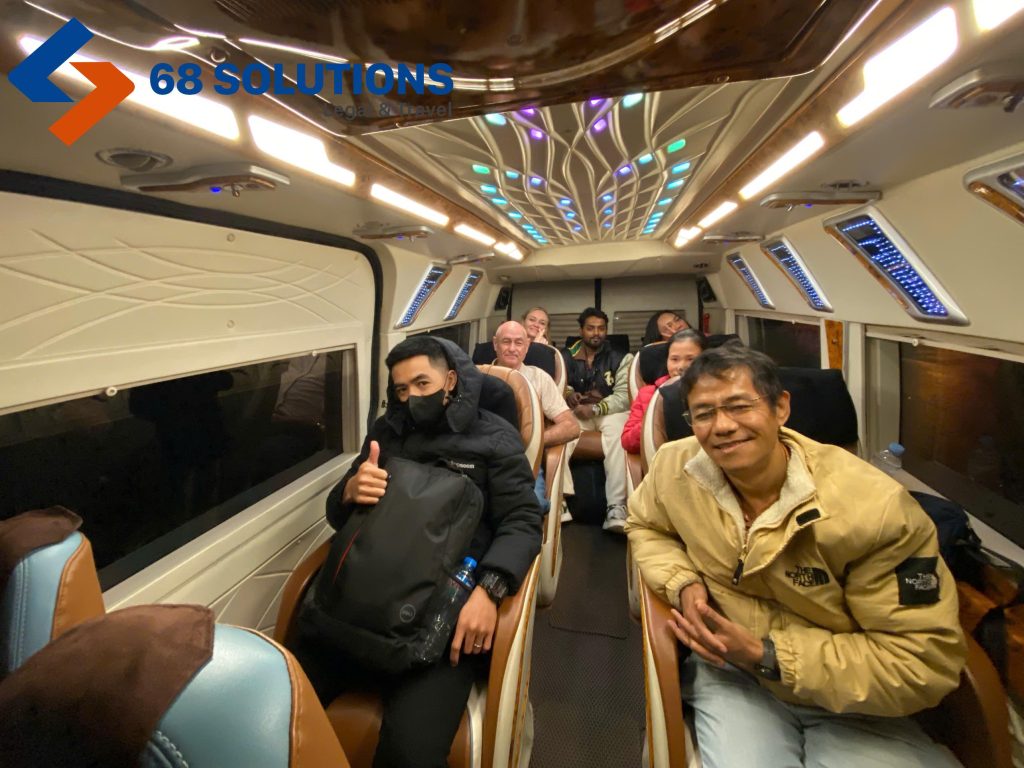
Flexible Routes and Travel Options
Travelers may choose between air visa runs to destinations such as Thailand or Singapore, or land visa runs to neighboring countries like Cambodia or Laos.
Transparent and Fair Pricing
All service fees are clearly explained in advance. There are no hidden charges, ensuring that customers know exactly what they are paying for.
With more than 07 years of experience assisting foreigners with visa run procedures, 68SOLUTIONS remains committed to delivering services that are safe, transparent, and dependable.
For professional support and the latest immigration guidance, contact: Hotline / WhatsApp / Zalo: (+84) 982 500 802
Frequently Asked Questions
1. Can I return to Vietnam immediately after arriving in a third country?
Yes. In many cases, travelers may return to Vietnam right after entering the neighboring country and completing the required exit procedure there. A stay of only a few hours is often sufficient for the visa run process.
2. Is a visa run the best option to extend my stay in Vietnam?
The most suitable option depends on personal circumstances and travel plans.
If budget is not a major concern and you prefer a high approval rate, working with a local visa agency to extend your visa before expiration may be a practical approach. However, visa extension typically requires a sponsor in Vietnam and may involve additional administrative procedures.
On the other hand, a visa run is often a simpler and more economical alternative. It does require leaving and re-entering the country, which may take additional time. Each method has advantages and limitations, so the final choice should reflect your particular situation.
3. If I am staying in Da Nang, which border option is the most convenient for a visa run?
For travelers based in Da Nang, an air visa run is generally the most convenient option. Da Nang International Airport offers numerous flights to nearby countries, making the process relatively simple.
If minimizing expenses is a priority, land border crossings such as Lao Bao or La Lay in Quang Tri Province may also serve as practical alternatives.
4. Are photos required when re-entering Vietnam during a visa run?
Passport photos are typically required only when applying for a visa on arrival at the airport. In such cases, travelers should prepare two identical passport-sized photos (4×6 cm) taken within the previous six months, facing forward without glasses or headwear.
5. Can visa runs be done at all border checkpoints in Vietnam?
No. Visa runs are not available at every border gate. Travelers may choose to exit and re-enter Vietnam through one of the eight international airports or through one of sixteen designated land border crossings that allow visa run procedures.
6. Does doing a visa run affect future visa extensions?
In theory, performing a visa run does not automatically prevent future visa extensions. However, frequent visa runs could potentially raise concerns with immigration authorities.
Repeated short exits and entries might sometimes create the impression that a traveler is attempting to bypass immigration regulations. In such situations, immigration officers may review the traveler’s stay history more carefully when considering future visa applications or extensions.
That said, this does not apply universally. Many factors influence immigration decisions, including travel history, nationality, and current immigration policies. To avoid unnecessary complications, travelers should understand the regulations carefully before deciding to rely on frequent visa runs.
7. How often should someone do a visa run?
There is no universal rule regarding the ideal frequency of visa runs. The appropriate timing depends on several considerations:
- The type of visa being used: Some visas permit shorter stays and may require more frequent renewals.
- The destination country: Certain neighboring countries maintain stricter immigration policies that may limit repeated entries.
- Purpose of stay: Travelers staying for short visits may only need one or two visa runs, while those remaining longer may require additional runs.
- Personal schedule: Individuals with flexible travel plans may perform visa runs whenever convenient, whereas those with fixed work or study commitments should plan carefully.
Ultimately, the decision should be based on personal circumstances and a clear understanding of current immigration regulations.
8. Which country should I choose for a visa run?
When selecting a destination for a visa run from Vietnam, travelers usually consider convenience, travel cost, and visa requirements.
Popular destinations often include Cambodia, Laos, and Thailand. These countries are geographically close to Vietnam and offer accessible border crossings or frequent flights. In many cases, their visa policies are flexible, making the process relatively simple and cost-effective for foreign visitors completing a visa run.
With more than 07 years of experience in visa run assistance, 68SOLUTIONS is committed to providing you with a safe, transparent, and reliable process.
>> Read more: Vietnam eVisa: The complete 2026 guide for foreigners
Contact 68SOLUTIONS today for expert assistance and up-to-date immigration support via Hotline / WhatsApp / Zalo: (+84) 982 500 802
___________________________________
68Solutions – Legal & Travel
Consulting & Partnerships Department
Address: 6th Floor, 67 Yen Lang Street, Dong Da, Hanoi, Vietnam
Fanpage: https://www.facebook.com/68solutions/
Hotline/ WhatsApp/ Zalo: (+84) 982 500 802
Email: sales@68solutions.vn
Website: www.68solutions.vn