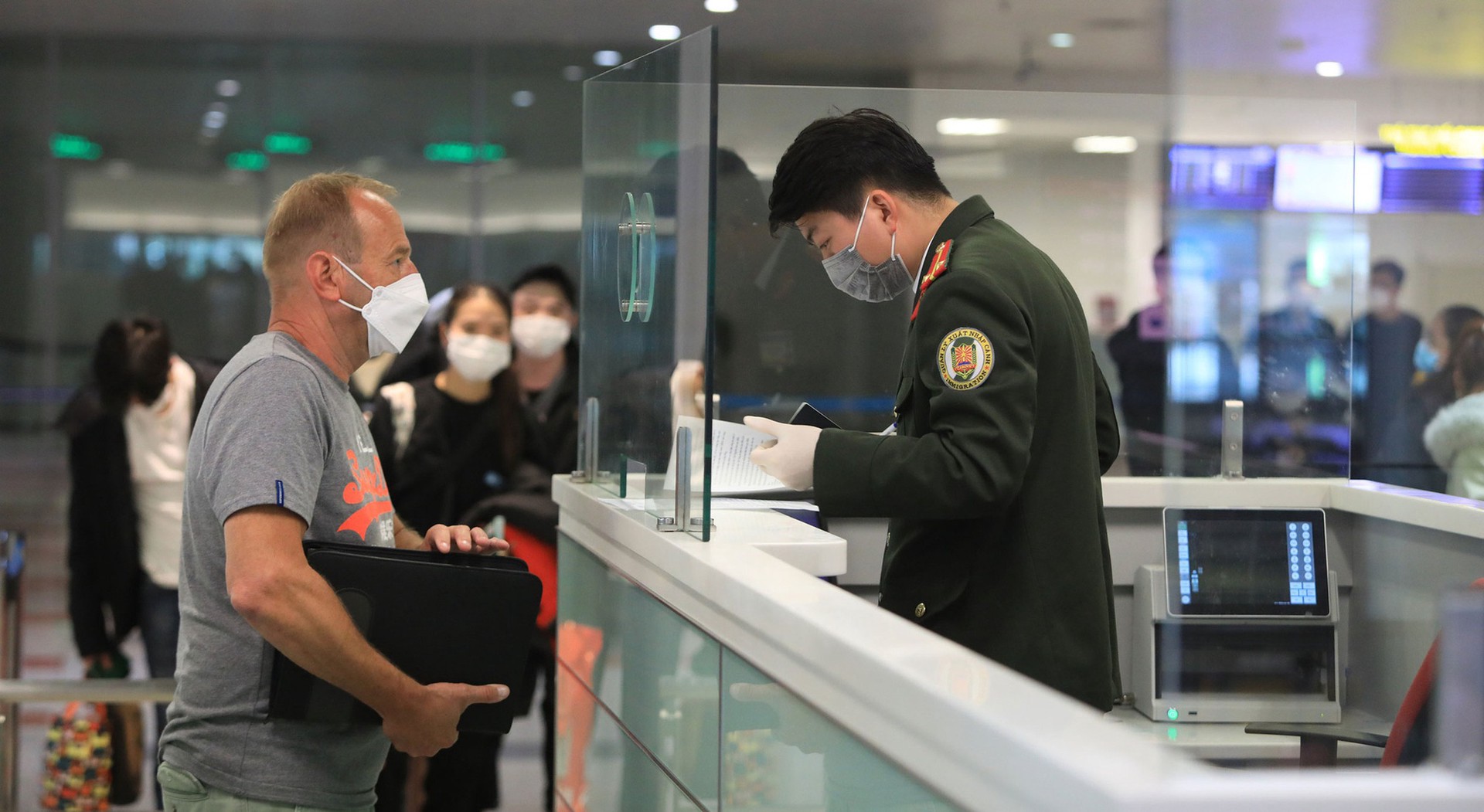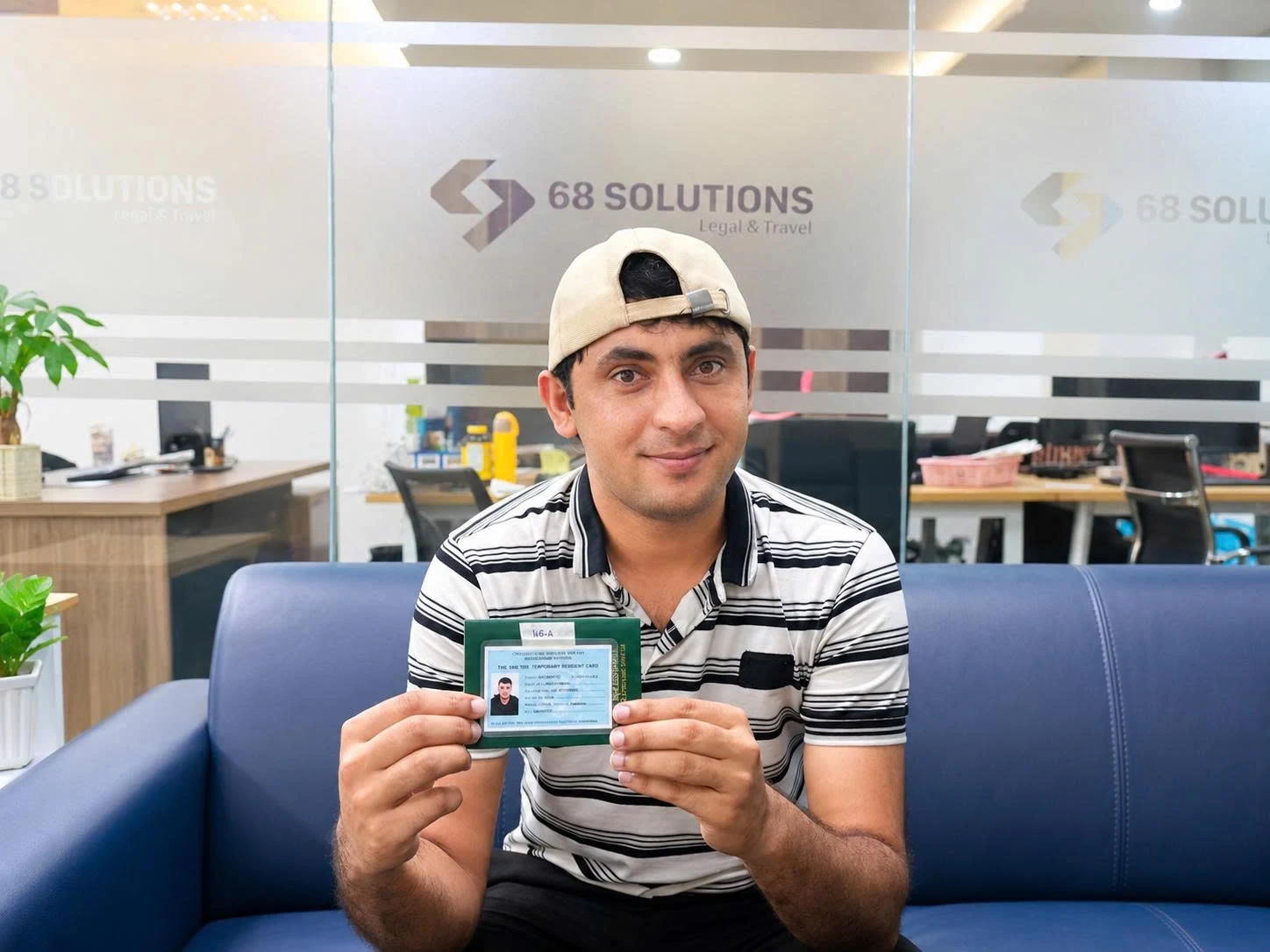
Planning a trip to Vietnam? Whether you’re visiting for leisure, business, or a quick stopover, choosing the right visa type is crucial. In this guide, we’ll compare the E-Visa Vietnam with the traditional tourist visa, so you can decide which option best fits your travel needs. We’ll cover the application processes, costs, validity periods, entry types, and key pros and cons of each choice. You’ll also learn how services like urgent e-visa application Vietnam and corporate business visa services Vietnam from 68Solutions can streamline your journey.
Overview of Vietnam Visa Types
Vietnam offers several visa options, but the two most popular for short-term visitors are the E-Visa Vietnam and the tourist visa issued at embassies or consulates.
- E-Visa Vietnam: A fully online process enabling single-entry stays of up to 30 days.
- Tourist Visa (Embassy Sticker Visa): A paper visa affixed to your passport, available in single- or multiple-entry variants with stays ranging from 30 to 90 days, or longer upon extension.
Understanding these core differences sets the stage for a deeper dive into each visa’s strengths and weaknesses.
E-Visa Vietnam: What You Need to Know
The e-visa Vietnam program, introduced in 2017 and updated under Decision 5568/QĐ-BCA 2023, allows eligible travelers from over 80 countries to apply online for a 30-day, single-entry visa. It’s ideal for tourists, short-term business trips, or quick family visits.
Key Facts:
- Application: Fully online via the official e-visa portal.
- Processing Time: Typically 3 business days; expedited urgent e-visa application Vietnam options can reduce this to 24 hours or even same-day service.
- Fee: USD 25 state fee (plus any service fee if you use a provider like 68Solutions).
- Entry/Exit Points: Valid at 28 international checkpoints, including major airports (Noi Bai, Tan Son Nhat), seaports, and land borders.
- Validity: Single-entry, 30 days from date of entry.
Tourist Visa (Embassy) Explained
A traditional tourist visa requires you to apply through a Vietnamese embassy or consulate before travel. This “sticker visa” is pasted into your passport and can be single- or multiple-entry, with validity and duration options varying by consulate policy.
Key Facts:
- Application: In-person or via mail to an embassy/consulate; some countries offer an online pre-approval letter followed by stamping on arrival.
- Processing Time: 5–10 business days, depending on the embassy and your location.
- Fee: Varies by country and type (single vs. multiple entry).
- Entry/Exit Points: Same as e-visa but generally limited to airports unless pre-approved letter is used.
- Validity: Options for 30, 60, or 90 days; some embassies offer multiple-entry visas valid up to one year.
Comparison Table: E-Visa vs. Tourist Visa
| Feature | E-Visa Vietnam | Tourist Visa (Embassy Sticker) |
|---|---|---|
| Application Method | Fully online | Embassy/consulate visit or mail |
| Processing Time | ~3 business days (express options) | 5–10 business days |
| Visa Fee | USD 25 state fee | Varies by country & entry type |
| Entry Type | Single-entry | Single- or multiple-entry |
| Maximum Stay | 30 days | Up to 90 days (per entry) |
| Ideal For | Short stays, quick business trips | Longer visits, multiple entries, extensions |
| Port of Entry Options | 28 checkpoints | Airport + selected land borders |
| Ease of Extension | Must exit & reapply or convert | Extend in-country under visa extension Vietnam |
Advantages of the E-Visa Vietnam
- Simplicity
- No embassy appointments or paperwork—apply anytime, anywhere.
- Speed
- Standard 3-day turnaround; urgent e-visa application Vietnam can cut waits to under 24 hours.
- Transparency
- Flat USD 25 state fee; service providers disclose all charges upfront.
- Convenience
- Receive a PDF e-visa to print; skip long embassy queues.
- Accessibility
- Supports multiple languages on the portal; ideal for solo travelers and small groups.
Disadvantages of the E-Visa Vietnam
- Single Entry Only
- Once you exit, you must reapply for a new e-visa if you wish to return.
- Fixed Stay Duration
- Strict 30-day limit with no in-country extensions; extensions require a switch to sticker visa or exit/reapply.
- Limited Entry Points
- While covering major airports and borders, some remote crossings remain inaccessible.
- Strict Photo Requirements
- Blurry images or mismatched names lead to automatic rejections.
- No Multiple-Entry Option
- Not suitable for travelers needing to cross borders and return within the same trip.
Advantages of the Tourist Visa
- Flexibility
- Multiple-entry visas available; ideal for overland travel or neighboring country side trips.
- Longer Stays
- Options for 60- or 90-day stays, extendable within Vietnam under visa extension Vietnam services.
- Family & Group Convenience
- Embassies may offer group processing or family packages.
- On-the-Ground Extensions
- Extend your stay without leaving the country by applying through immigration offices.
- Customizable Validity
- Choose validity up to one year in some cases; great for digital nomads or frequent visitors.
Disadvantages of the Tourist Visa
- Longer Processing Times
- Embassy wait times can add significant lead time to your travel plans.
- Complex Procedures
- Requires physical submission of documents, potential in-person interviews.
- Variable Fees
- Embassy charges differ by country and entry type; hidden administrative fees may apply.
- Risk of Embassy Delays
- Holidays, staffing shortages, or local regulations can stall approvals.
- Less Transparent
- Fee structures and processing guidelines may lack clarity compared to e-visa portals.
When to Choose Which Visa
- Go for an E-Visa Vietnam if:
- You need a short, single-entry trip of up to 30 days.
- You want a quick, paperless application via apply e-visa Vietnam portals.
- You’re traveling solo or in a small group without border-hopping plans.
- Opt for a Tourist Visa if:
- You require multiple entries or extended stays beyond 30 days.
- You plan overland travel through neighboring countries.
- You may need to extend your visa in-country under visa extension Vietnam services.
How 68Solutions Can Help
Navigating visa choices can feel overwhelming. At 68Solutions, we offer comprehensive corporate business visa services Vietnam and personalized support for both E-Visa Vietnam and embassy tourist visa applications:
- Online & In-Person Assistance: From document preparation to embassy liaison.
- Urgent Services: 24-hour express urgent e-visa application Vietnam options.
- Transparent Pricing: No hidden costs—state fee plus flat service rate.
- Multi-Language Support: English, Korean, Japanese, Chinese.
- Extension & Conversion: Advice on visa extension Vietnam or conversion to work/business permits.
Let us manage the details so you can focus on planning your itinerary.
Conclusion
Choosing between the E-Visa Vietnam and the tourist visa boils down to your travel style and needs. If you value speed and simplicity for a short stay, the e-visa is unbeatable. If you need longer validity, multiple entries, or the ability to extend in-country, the embassy-issued tourist visa is your best bet.
No matter which route you take, 68Solutions is here to ensure a flawless process from start to finish.
Ready to get your Vietnam visa sorted?
Contact us today and travel with confidence:
📧 68s.marketing@gmail.com | ☎️ (+84) 98 2500 802
Make your Vietnam adventure stress-free—reach out now!