E-Visa vs. Work Permit in Vietnam: When & How to Transition
Entering Vietnam on an E-Visa Vietnam is a convenient first step, but if you plan to work beyond 30 days, you’ll need a formal Vietnam work permit. Understanding when to switch, how to navigate both systems, and how to avoid common missteps is essential—whether you’re a solo professional pursuing an urgent e-visa application Vietnam or part of a team leveraging corporate business visa services Vietnam. In this comprehensive 1,500–2,000-word guide, we’ll demystify the transition process, compare key requirements, and offer practical, human-centered advice to keep your stay both legal and stress-free.
Table of Contents
- Understanding the E-Visa Vietnam
- Why You Need a Work Permit
- Timing Your Transition
- Key Differences: E-Visa vs. Work Permit
- Step-by-Step Transition Process
- Necessary Documents for Your Work Permit
- Navigating Decree 70/2023 & Labor Code
- Handling Urgent Scenarios
- Leveraging Corporate Business Visa Services
- Common Pitfalls & How to Avoid Them
- Conclusion & Call to Action
Understanding the E-Visa Vietnam
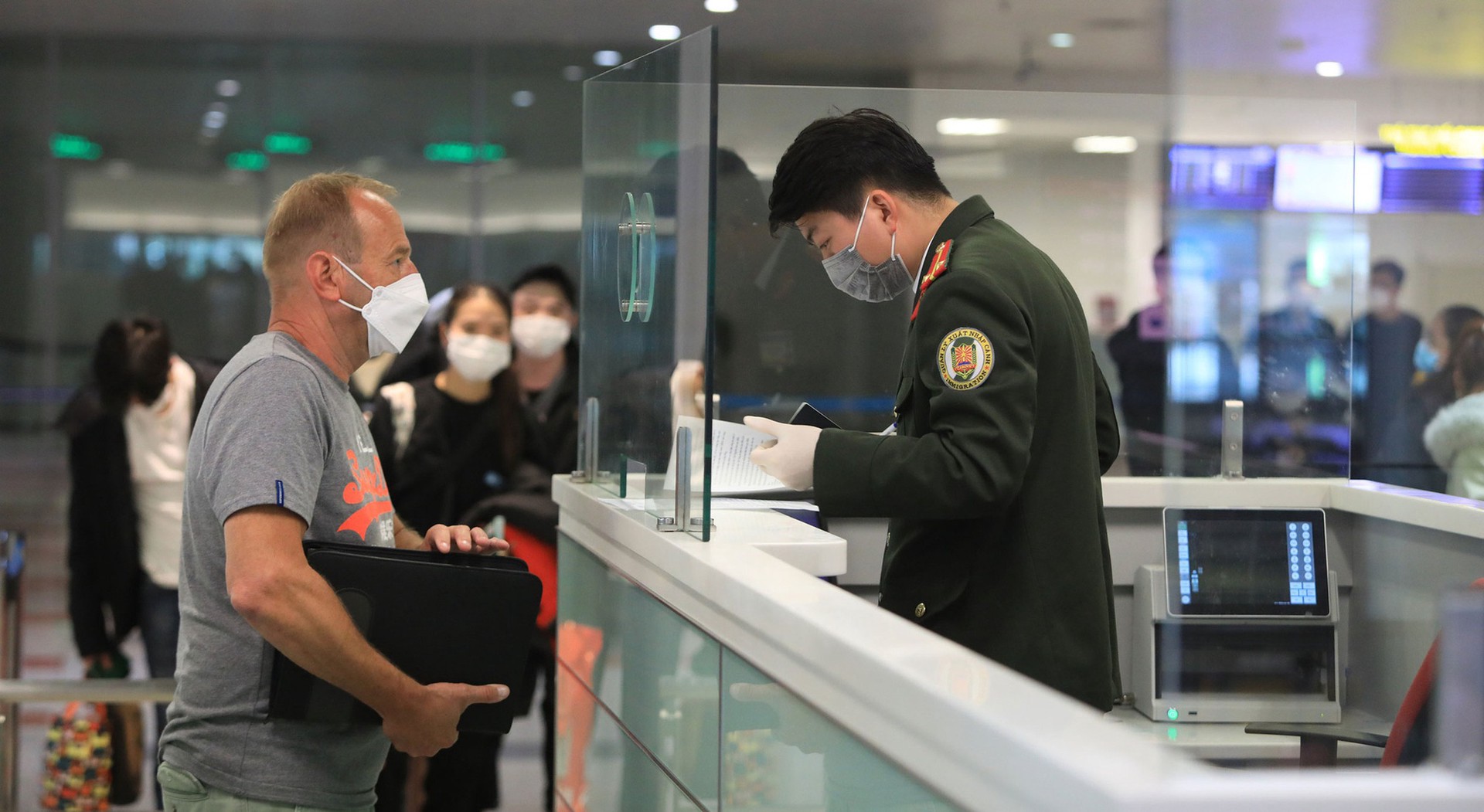
An E-Visa Vietnam is a single-entry, 30-day electronic visa issued entirely online. It’s ideal for tourism, short business trips, or initial entry before applying for longer-term stays. Key characteristics:
- Validity: 30 days from your entry date.
- Application: Completed via the official portal; turnaround is typically three business days, but can be accelerated via urgent e-visa application Vietnam options.
- Port of Entry: Valid at 28 designated airports, land, and sea checkpoints.
While the e-visa streamlines your arrival, it does not authorize employment.
Why You Need a Work Permit
If you intend to carry out remunerated activities, you must secure a Vietnam work permit. Without it:
- Legal Consequences: Fines up to VND 40 million (~USD 1,700) or deportation.
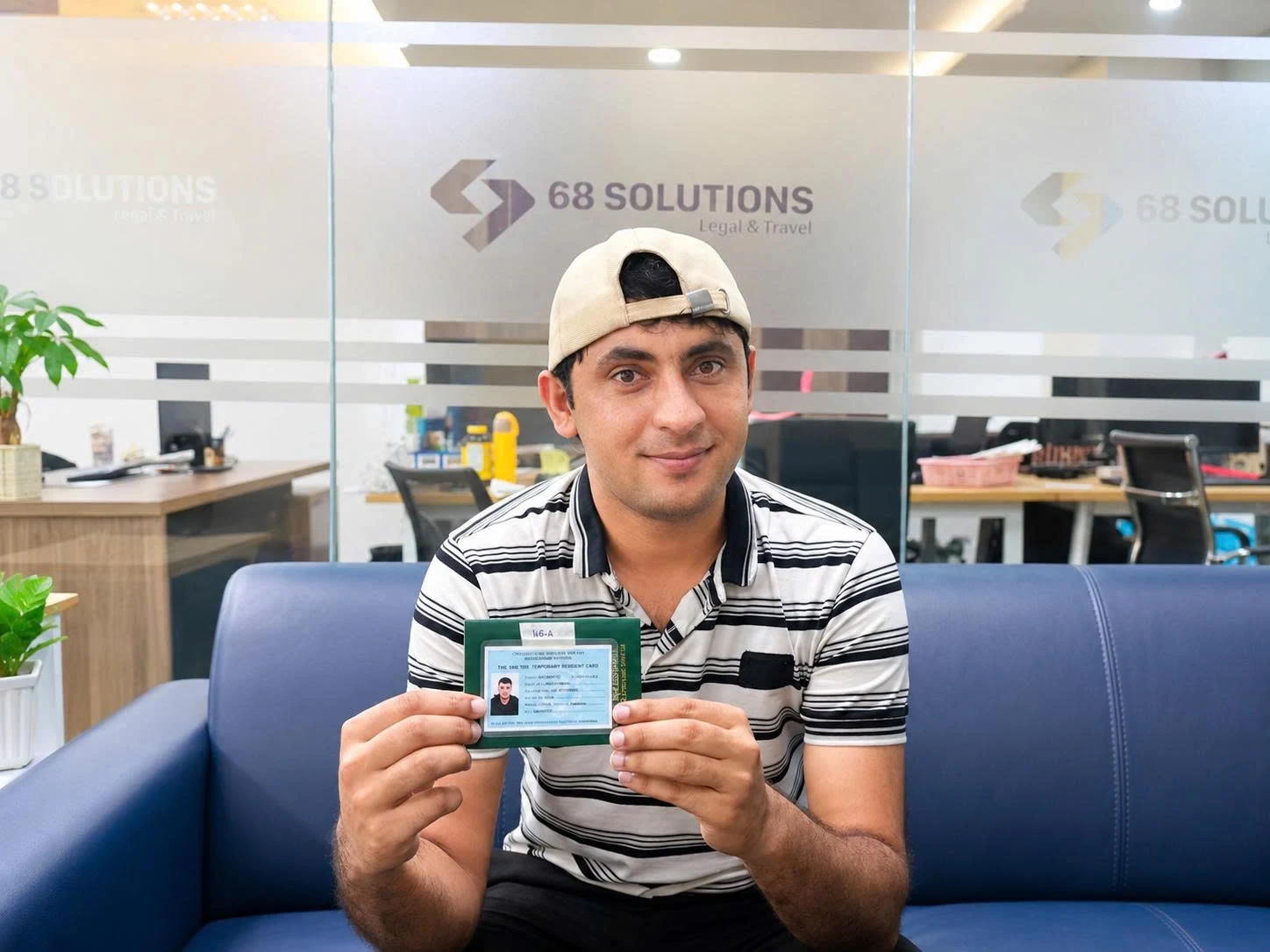
- No TRC: You cannot obtain a Temporary Residence Card (TRC), which offers multi-entry privileges and longer validity.
- Professional Reputation: Working illegally can harm your career and future visa prospects.
A work permit is your official license to work, often valid up to two years and renewable.
Timing Your Transition
Critical Window: You must apply for your work permit within 30 days of your e-visa entry stamp. Ideally:
- Day 1–5: Begin gathering documents (criminal record check, health certificate).
- Day 10–15: Have your employer prepare and submit the dossier to DOLISA under Decree 70/2023 e-portal.
- Day 25: Verify your submission status and respond to any “additional documents” requests.
- Before Day 30: Ensure your work-permit application is officially lodged—this safeguards against overstaying.
Missing this window can force you to exit and re-enter on another e-visa, creating unnecessary cost and stress.
Key Differences: E-Visa vs. Work Permit
| Aspect | E-Visa Vietnam | Work Permit Vietnam |
|---|---|---|
| Purpose | Tourism, short business visits | Remunerated employment |
| Validity | 30 days, single entry | Up to 2 years, renewable |
| Application Portal | Immigration e-visa portal | DOLISA e-portal under Decree 70/2023 |
| Document Requirements | Passport data, photo, selfie | Extensive dossier: criminal check, health cert, contract, employer docs |
| Legal Standing | Entry authorization only | Employment authorization |
| TRC Eligibility | No | Yes (post-permit) |
Understanding these distinctions clarifies why and how you must transition.
Step-by-Step Transition Process
- Enter on E-Visa
- Receive your e-visa PDF, print two copies, and present at immigration.
- Gather Documents
- Initiate criminal record check, health exam, degree authentication.
- Employer Prepares Dossier
- Includes signed contract, recommendation letter, and company registration papers.
- Submit to DOLISA
- File electronically under Decree 70/2023; choose express processing if needed.
- Track & Respond
- Monitor portal twice daily; upload any requested add-ons swiftly.
- Receive Work Permit
- After approval (10–15 days standard or 5 days express), collect in person or via proxy.
- Apply for TRC
- Present permit at Immigration Department; complete TRC form NA7 for multi-entry, longer stay.
Necessary Documents for Your Work Permit
- Passport: Color scan of biodata page and e-visa stamp.
- Criminal Record Check: Apostilled/legalized, translated, notarized.
- Health Certificate: From Ministry-approved hospital within 12 months.
- Diploma & Transcripts: Notarized and apostilled/legalized, with certified translation.
- Employment Contract: Bilingual, stamped on every page.
- Employer’s Recommendation Letter: Clearly stating your role and necessity.
- Company Papers: ERC, BRC, tax code certificate.
- Photos: Two passport-sized (4×6 cm), per portal specs.
A complete, accurate dossier reduces delays and supports any urgent e-visa application Vietnam needs.
Navigating Decree 70/2023 & Labor Code
Decree 70/2023 modernizes work-permit procedures:
- Electronic-First: All dossier submissions via national e-portal.
- Clear Checklists: Defined lists of required documents prevent guesswork.
- Express Options: Five-business-day fast-track lanes for an extra fee.
Concurrently, the Labor Code updates clarify contractual terms, permissible work scopes, and probation limits—ensuring your work permit aligns with employment law.
Handling Urgent Scenarios
If you must start work immediately:
- Express Submission: Opt for the five-day processing lane when submitting your dossier.
- Proxy Service: Use a corporate business visa services Vietnam provider to file and follow up on your behalf.
- E-Visa Rush: Coordinate your entry via a same-day or 24-hour e-visa option so you can enter and apply without delay.
Combining an urgent e-visa application Vietnam with express work-permit processing minimizes downtime and keeps your project on schedule.
Leveraging Corporate Business Visa Services
Large organizations benefit from specialized services:
- Batch Filings: Submit multiple permits under one corporate account.
- Document Audits: Pre-submission checks against Decree 70/2023 requirements.
- Dedicated Liaison: Single point of contact for portal issues and DOLISA inquiries.
- Compliance Tracking: Automated reminders for renewals, TRC transitions, and reporting deadlines.
Partnering with experts like 68Solutions turns a complex transition into a predictable, managed workflow.
Common Pitfalls & How to Avoid Them
| Mistake | Prevention Strategy |
|---|---|
| Late Work-Permit Submission | Calendar reminders for 25th day of e-visa validity |
| Incomplete Dossier | Use a pre-submission checklist; engage audit services |
| Document Format Errors | Preview portal thumbnails; adhere to DPI and file-format specs |
| Ignoring Express Option | Select express lane during submission; pay surcharge upfront |
| Failing to Track Application | Check portal twice daily; set up SMS/email alerts |
Avoiding these traps ensures your E-Visa to work-permit switch goes off without a hitch.
Conclusion
Transitioning from an E-Visa Vietnam into a formal Vietnam work permit is a multi-step journey that requires careful timing, complete documentation, and often strategic use of express options. Whether you’re managing an urgent e-visa application Vietnam or orchestrating corporate group entries, this guide equips you with the knowledge to navigate both systems effectively and humanely.
Ready to make your E-Visa to work-permit transition seamless?
Contact 68Solutions for end-to-end support, express processing, and expert compliance services:
📧 68s.marketing@gmail.com | ☎️ (+84) 98 2500 802
Let us handle the paperwork so you can focus on thriving in Vietnam!