Navigating Vietnam’s Immigration Code for Work Permit Holders
For foreign professionals holding a Vietnam work permit, understanding the country’s Immigration Code is just as crucial as securing your work permit itself. From entry and exit rules to Temporary Residence Card (TRC) renewals, the code outlines your legal obligations—and how to maintain your status without hiccups. Whether you first apply E-Visa Vietnam, need an urgent e-visa application Vietnam, or leverage corporate business visa services Vietnam, this humanized guide unpacks the key immigration regulations you must know to work, travel, and reside smoothly in Vietnam.
Table of Contents
- Why the Immigration Code Matters
- Entry & Exit Rules for Work Permit Holders
- Understanding the Temporary Residence Card (TRC)
- Reporting Requirements & Notifications
- Visa Extensions & Renewals
- Decree 70/2023: Electronic Procedures & Updates
- Navigating Visa Runs & Re-Entry
- Consequences of Non-Compliance
- Tips for Corporate Clients
- Putting It All Together: A Sample Timeline
- Conclusion & Call to Action
1. Why the Immigration Code Matters
Vietnam’s Immigration Code establishes the rules for all foreign entrants—tourists, business travelers, and especially work permit holders. Misunderstanding or overlooking these regulations can lead to fines, forced exits, or bans that derail your career trajectory. By mastering the code, you ensure:
- Continuous Legal Status: No gaps between permits, visas, or TRC validity periods.
- Freedom to Travel: Seamless entry and exit without unexpected delays.
- Peace of Mind: Focus on your job or business rather than bureaucracy.
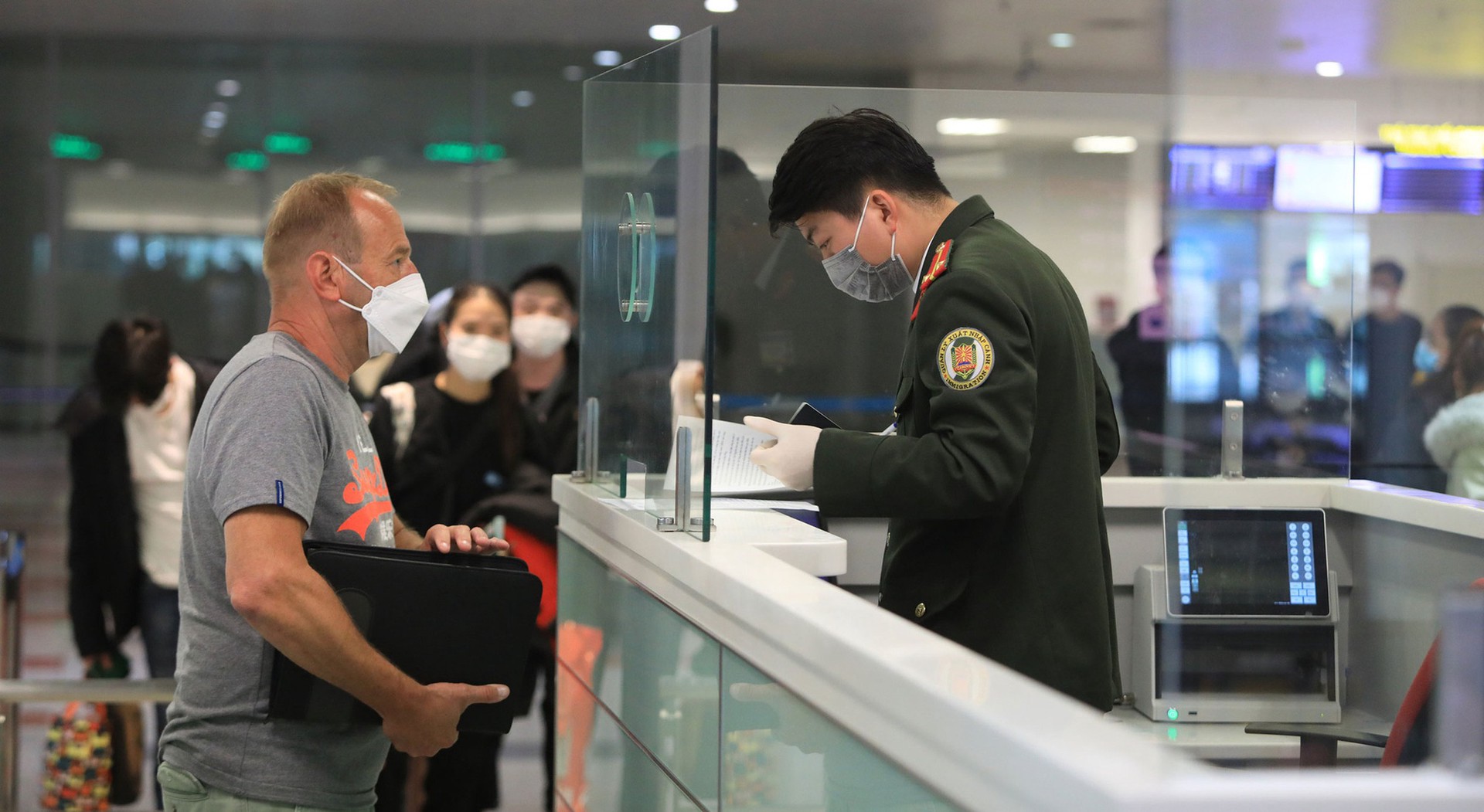
2. Entry & Exit Rules for Work Permit Holders
Entry Requirements
Once your E-Visa Vietnam or embassy-issued visa allows entry, you must arrive within the visa’s validity. For those on an urgent e-visa application Vietnam, this means aligning your flight plan immediately after approval.
Exit Requirements
- Valid TRC or E-Visa: Before leaving, ensure your TRC or short-term visa covers your planned exit date.
- Customs Declarations: Declare any high-value items to avoid delays at Immigration.
- Re-entry Permits: If you hold a TRC and plan multiple trips, no additional re-entry permits are needed—just present your TRC at the checkpoint.
Human Tip: Keep a physical copy of your work permit, TRC, and passport together in a travel document folder—this speeds up clearance at crowded airports.
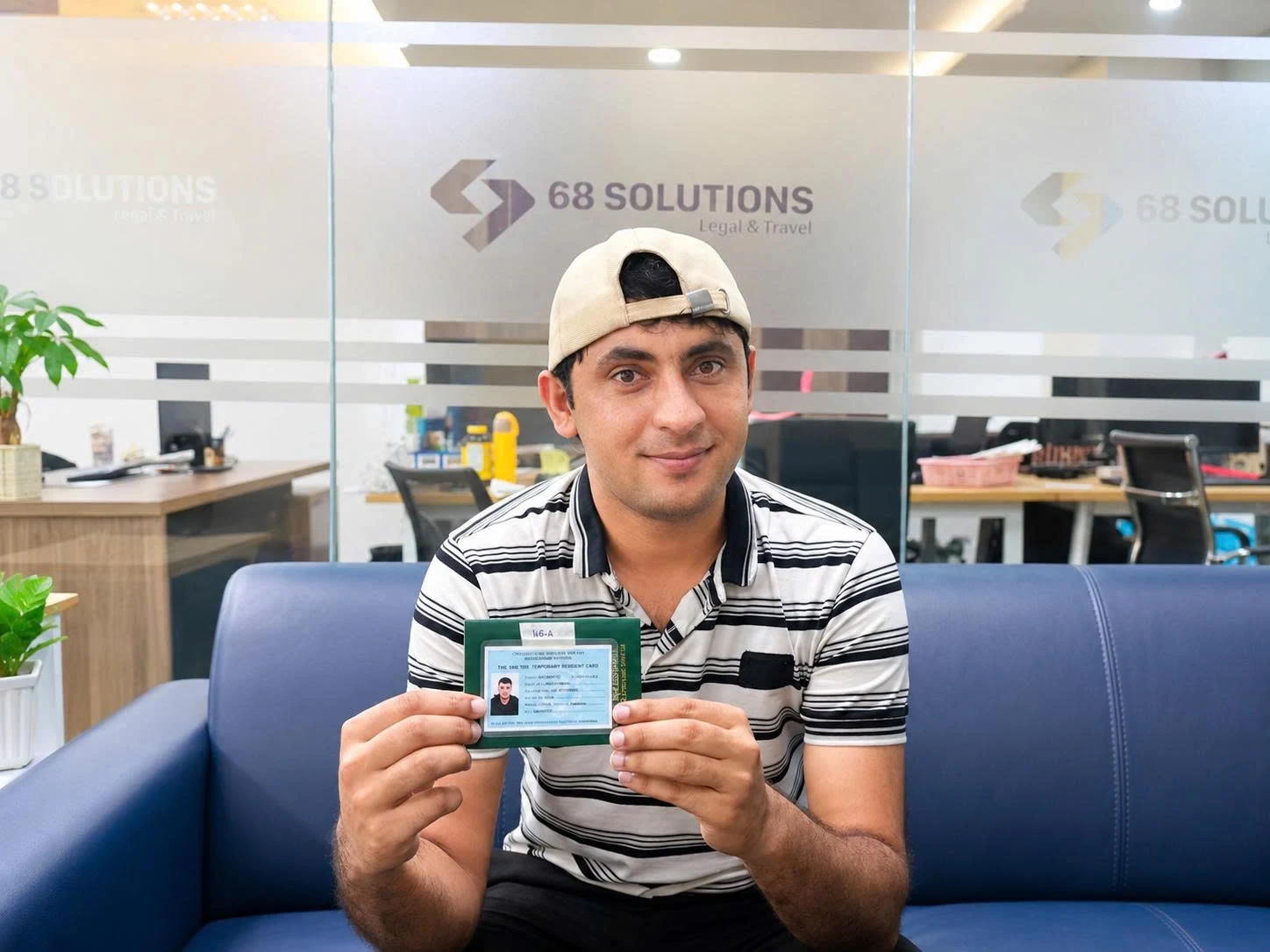
3. Understanding the Temporary Residence Card (TRC)
A TRC transforms your stay from a visa-limited visit to a multi-year residency card tied to your work permit. Key points:
- Eligibility: Requires an approved work permit and an e-visa or entry visa.
- Validity: Up to two years (matching your permit), renewable without exiting Vietnam.
- Privileges: Multi-entry, long-term stay, easier bank account and SIM registration.
Application Process
- Submit Form NA7 at the Immigration Department.
- Provide: Work permit copy, passport pages, photos, and application receipt.
- Processing: 5–7 business days under standard lanes; express options may shorten this.
Human Tip: Apply for the TRC immediately after collecting your work permit. Delaying can force you into a provisional status that complicates travel.
4. Reporting Requirements & Notifications
Vietnam’s Immigration Code mandates timely notifications to maintain your legal standing:
- Change of Address: Report new residential address within 48 hours to local Public Security or via online portals.
- Employer Changes: If you transfer employers, report permit cancellation within 14 days and submit a fresh work-permit application.
- Permit Expiry: Notify Immigration 30 days before your work permit or TRC expires if you plan to renew.
Human Tip: Set calendar alerts for each milestone—address updates, permit renewals, and contract changes—to avoid accidental non-compliance.
5. Visa Extensions & Renewals
If your project extends beyond your current TRC validity:
- Work Permit Renewal: Begin 45 days before expiry; gather updated health checks and criminal record clearances.
- TRC Renewal: Often processed alongside permit renewals, using the same electronic dossier under Decree 70/2023.
Extensions require similar documentation to your initial application—contract, employer letters, company certificates—and typically take 10–15 business days.
6. Decree 70/2023: Electronic Procedures & Updates
Decree 70/2023 modernizes Immigration Code compliance:
- Electronic Submission: Renewals and notifications filed through centralized e-portals.
- Priority Slots: Off-peak and express lanes for critical renewals.
- Automated Reminders: Portals can email renewal notices based on your permit and TRC data.
By embracing these digital tools, you reduce in-person visits and ensure every update is logged in real time.
7. Navigating Visa Runs & Re-Entry
Some work-permit holders still choose visa runs—short exits to neighboring countries to renew visas. Consider:
- E-Visa to Re-Enter: Nationals eligible for e-visa Vietnam can secure a fresh e-visa online for quick returns.
- TRC Holders: No need for visa runs—just present your TRC to re-enter.
- Border Points: Be aware which checkpoints accept e-visas and TRCs to avoid rejected entry attempts.
Human Tip: For corporate teams, coordinate visa runs collectively—bulk urgent e-visa application Vietnam can secure multiple re-entry visas at once, saving logistics time.
8. Consequences of Non-Compliance
Failing to follow Immigration Code leads to:
- Fines: Up to VND 40 million (~USD 1,700) for overstays or permit lapses.
- Deportation: Forced exit and potential re-entry bans of one to five years.
- Career Disruption: Employer liabilities and project delays.
Staying proactive with reporting, renewals, and transitions safeguards your livelihood and reputation.
9. Tips for Corporate Clients
Companies managing multiple foreign staff can optimize compliance by:
- Centralized Dashboard: Track each employee’s permit and TRC timelines under one portal.
- Bulk Notifications: Automate email/SMS alerts for address changes or renewals.
- Proxy Services: Authorize corporate business visa services Vietnam providers to file and follow up on behalf of employees.
A structured corporate approach prevents individual oversights and reinforces consistent compliance.
10. Putting It All Together: A Sample Timeline
| Day | Action |
|---|---|
| Day 0 | Entry via E-Visa or embassy visa |
| Day 1–5 | Submit work-permit application under Decree 70/2023 e-portal |
| Day 10–15 | Collect work permit; apply for TRC |
| Day 20–25 | Receive TRC; report address change |
| Day 25–45 | Set reminders for address updates & renewal reporting |
| Day 330 | Begin work-permit & TRC renewal process 45 days prior to expiry |
| Day 360 | Collect renewed permits; update dashboard |
Adjust for express options and urgent scenarios as needed.
Conclusion
Navigating Vietnam’s Immigration Code may seem daunting, but with a clear roadmap—covering entry, TRC, reporting, renewals, and Decree 70/2023 e-procedures—you’ll maintain flawless legal status and focus on your professional goals. Whether you first apply E-Visa Vietnam, need an urgent e-visa application Vietnam, or rely on corporate business visa services Vietnam for batch compliance, these insights ensure you stay one step ahead.
Ready to streamline your immigration compliance?
Partner with 68Solutions for end-to-end support—permit filings, TRC renewals, and digital reporting—so you can concentrate on what truly matters:
📧 68s.marketing@gmail.com | ☎️ (+84) 98 2500 802
Let us guide you through every regulatory step, ensuring a seamless journey in Vietnam!