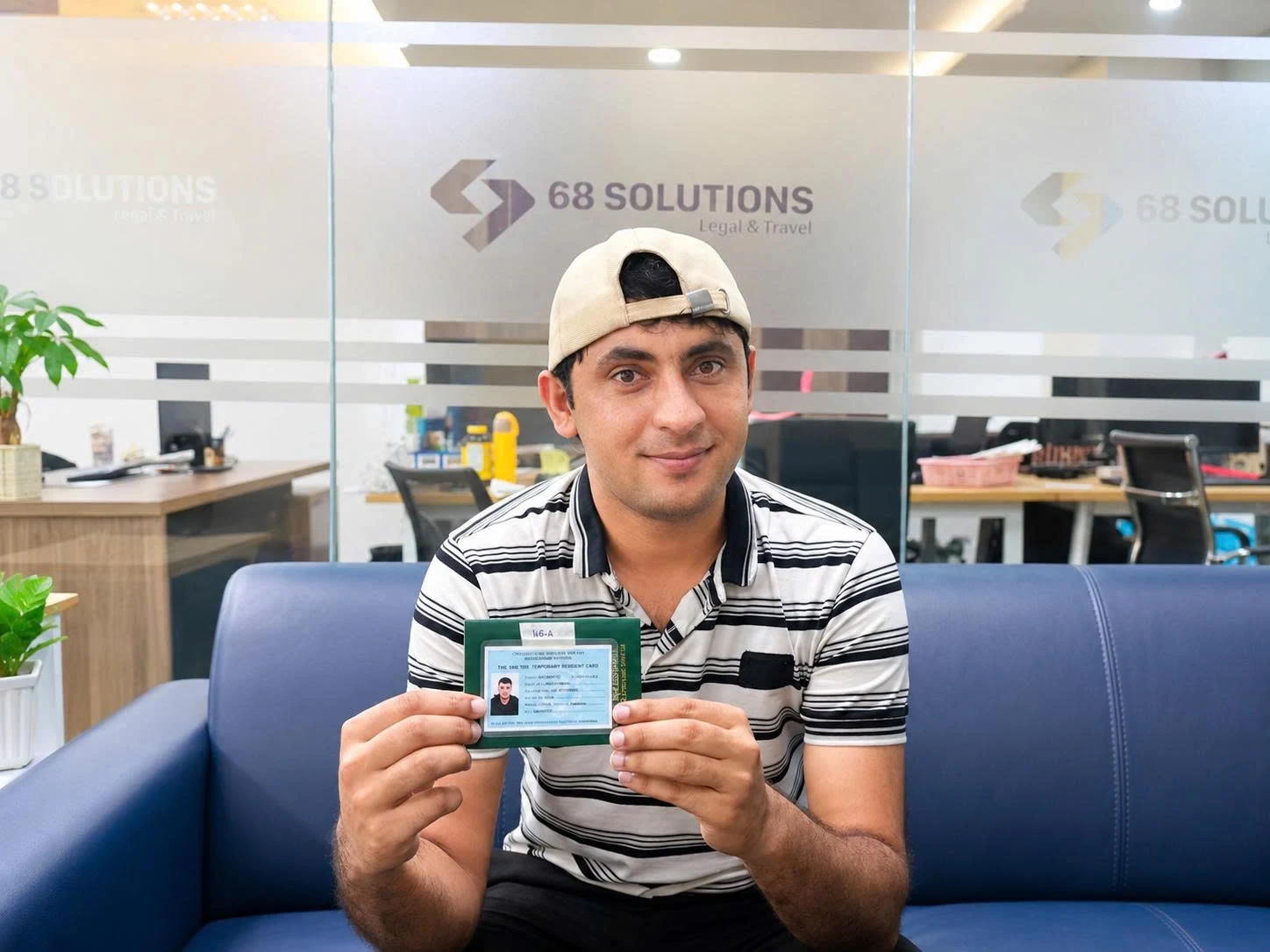
TRC for Digital Nomads: Legalizing Your Remote Work in Vietnam
With the rise of the digital nomad lifestyle, Vietnam has become a top destination for remote workers. The country’s rich culture, affordable living, and fast internet are just a few reasons why digital nomads flock to this vibrant country. However, as with any long-term stay, navigating the legal side of residency is crucial. One of the best ways to do so is by securing a Temporary Residence Card (TRC), a legal residency document that allows you to stay in Vietnam for extended periods. In this 1,500-word guide, we’ll walk you through everything you need to know about obtaining a TRC as a digital nomad, including how it differs from an E-Visa Vietnam, the TRC eligibility requirements, benefits, and how to navigate the DOLISA e-portal.
1. Why Digital Nomads Should Apply for a TRC
While E-Visas offer a quick way to enter Vietnam for a short stay, they come with limitations. Most importantly, they only allow stays of up to 30 days, after which you’ll need to either leave the country or renew your visa. This cycle can become cumbersome, especially if you’re planning to stay in Vietnam for an extended period to work remotely.
On the other hand, a Temporary Residence Card (TRC) provides several benefits for digital nomads looking to work and live in Vietnam long-term:
- Long-Term Stay: TRCs are valid for 6 months to 3 years, depending on your category, allowing you to work remotely without worrying about visa renewals.
- Multi-Entry Privileges: With a TRC, you can enter and exit Vietnam freely without the need for a new visa, making it ideal for digital nomads who travel frequently.
- Access to Services: Having a TRC grants you access to local services like banking, healthcare, and long-term leases, making it much easier to establish a base in Vietnam.
For digital nomads, a TRC offers the stability you need to live and work in Vietnam legally, without the hassle of visa runs or complex paperwork.
2. Key Eligibility for Digital Nomads Applying for a TRC
To apply for a TRC in Vietnam, you must meet certain eligibility criteria. As a digital nomad, you likely fall under the “Special Expert & Short-Term Exemption” category, which is part of the Decree 70/2023 TRC guidelines. Here’s what you’ll need to qualify:
A. Work Type
You must work remotely for a foreign company or be self-employed, with no active employment relationship with a Vietnamese company. The key requirement is that your income must come from outside of Vietnam.
B. Duration of Stay
Typically, digital nomads who plan to stay in Vietnam for more than 90 days may apply for a TRC. However, your TRC application can only be processed after you’ve been in the country for at least 90 days.
C. Sponsorship
You need a Vietnamese sponsor, which could be:
- A coworking space or business association that accepts remote workers.
- A legal entity in Vietnam that is willing to sponsor your TRC.
This sponsorship is crucial for your application to be processed through the DOLISA e-portal.
3. How to Apply for a TRC as a Digital Nomad
The process of applying for a TRC for digital nomads is relatively straightforward, thanks to the DOLISA e-portal. Here’s a step-by-step breakdown:
A. Gather Your Documents
Before you start the application, make sure you have the following documents ready:
- Valid Passport: Make sure your passport is valid for at least six months beyond the planned TRC validity.
- Work Contract or Proof of Remote Work: This document should prove your employment with a foreign company or show that you are self-employed.
- Health and Criminal Record Certificates: You must undergo a medical checkup in Vietnam and provide a police clearance from your home country (with notarization).
- Photos: Two passport-sized photos that meet the Vietnam immigration requirements.
- Proof of Address: A copy of your rental agreement or lease for your accommodation in Vietnam.
- Sponsor’s Documentation: If applying through a coworking space or legal entity, they will need to provide a letter of sponsorship.
B. Submit Your Application on the DOLISA E-Portal
Once your documents are ready, log into your provincial DOLISA e-portal (the portal differs by province, e.g., Hanoi or Ho Chi Minh City). Select “Apply for Temporary Residence Card” and fill in the required information. Be sure to carefully enter the start date and requested validity period (usually one year for digital nomads).
C. Pay Fees
The government fee for TRC applications is typically VND 200,000, plus an optional express processing surcharge of VND 100,000 if you need to expedite your application.
D. Track Your Application
You’ll receive a reference number once you submit your application. Track the status of your TRC request through the e-portal dashboard.
E. Collect Your TRC
Once approved, you’ll receive a notification to pick up your TRC from the local Immigration Department. You will need to bring your passport and proof of payment to collect your card.
4. TRC vs E-Visa: Key Differences for Digital Nomads
While both the TRC and E-Visa Vietnam allow you to live and work in the country, they differ significantly in terms of validity, multi-entry options, and requirements. Here’s a quick comparison:
| Feature | E-Visa Vietnam | TRC |
|---|---|---|
| Validity | Up to 30–90 days | 6 months–3 years |
| Entry Type | Single-entry | Multi-entry |
| Renewals | Must apply for new visa every 30-90 days | Renew via DOLISA e-portal, 30-45 days before expiry |
| Application Process | Online application, quick approval | Online submission via DOLISA e-portal |
| Required Documents | Passport, photos | Passport, health check, criminal record, sponsor letter |
| Fee | USD 25-50 | VND 200,000 (plus express fee) |
While an E-Visa is great for short-term stays, the TRC offers long-term benefits for digital nomads, including multiple entries, easier renewals, and access to services.
5. Benefits of TRC for Digital Nomads
For digital nomads, the TRC provides several advantages that make it easier to live and work in Vietnam:
- Freedom of Movement: With a multi-entry TRC, you can leave and re-enter Vietnam without applying for a new visa each time.
- Access to Local Services: A valid TRC allows you to open a bank account, sign long-term leases, and access healthcare in Vietnam.
- Long-Term Stay: Unlike the E-Visa Vietnam, which requires frequent renewals, a TRC offers a seamless, long-term residency solution.
- Simplified Work: If you’re freelancing or employed remotely, a TRC ensures that you can work legally without the risk of overstaying or getting penalized.
6. Best Practices for Digital Nomads to Manage Their TRC
- Apply Early: Don’t wait until your visa is close to expiring to apply for a TRC. Give yourself at least 60 days for all paperwork and processing.
- Use Professional Help: If you’re unsure about the documents or the process, consider using corporate business visa services Vietnam like 68Solutions to guide you through.
- Keep Documents Updated: Always keep your health and criminal checks up to date to avoid delays in processing.
- Monitor Renewal Dates: Set a reminder to track the renewal date of your TRC to avoid missing deadlines and incurring extra fees.
7. Conclusion
A Temporary Residence Card (TRC) is a game-changer for digital nomads in Vietnam. It provides stability, flexibility, and peace of mind, so you can focus on your work without worrying about visa runs or administrative headaches. Whether you are working remotely, building a business, or enjoying Vietnam’s incredible culture, having a TRC unlocks a range of benefits—from multi-entry travel to access to local services.
Ready to apply for your TRC and settle into your remote life in Vietnam?
Contact 68Solutions for a seamless TRC application process—documentation, submission, and express renewals—so you can get back to doing what you love.
📧 68s.marketing@gmail.com | ☎️ (+84) 98 2500 802