Case Study: Fast Approval Strategies for Executive Vietnam Work Permits
Securing a Vietnam work permit for senior executives often demands both precision and speed. With tight project timelines and board-level commitments, accelerated processing can mean the difference between a smooth market entry and costly delays. This case study explores how one multinational corporation leveraged Decree 70/2023 reforms, synchronized their E-Visa Vietnam entry with express permit lanes, and partnered with corporate business visa services Vietnam to achieve an unprecedented five-day approval for their CEO’s work permit. Along the way, we’ll unpack best practices, human-centered tips, and lessons learned—so you can replicate these strategies in your own urgent scenarios.
Background: The Challenge
Client Profile:
- Company: GlobalTech Solutions (regional headquarters in Singapore)
- Role: Chief Executive Officer (CEO) assigned to lead a new Vietnam operations center
- Timeline: Arrival planned in three weeks to oversee office opening
Obstacles:
- Tight Arrival Window: Flight booked for Day 21, but standard work-permit processing under Decree 70/2023 requires 10–15 business days.
- Complex Dossier: CEO held foreign degrees and criminal-record jurisdictions requiring apostilles and diplomatic legalization.
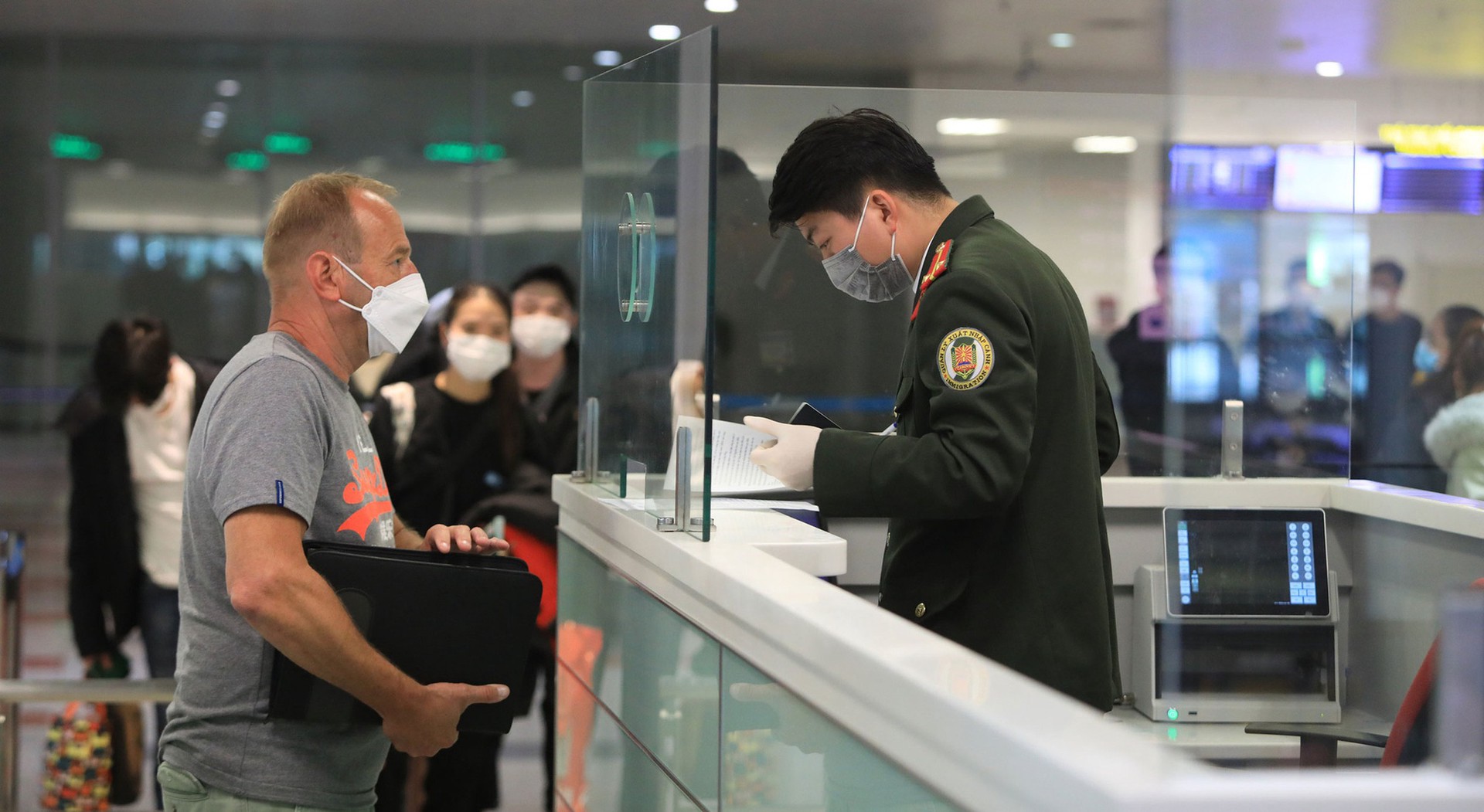
- Executive-Level Scrutiny: Immigration officers often conduct additional interviews for C-suite roles.
GlobalTech faced a dilemma: delay the office launch or accelerate the CEO’s work-permit approval.
Step 1: Pre-Entry Synchronization
Rather than wait for the CEO’s arrival, GlobalTech filed an urgent e-visa application Vietnam on Day 1 via the official e-visa portal, opting for the 24-hour rush service. This ensured:
- Day 2 Approval: E-Visa granted, enabling legal entry within 30 days.
- Pre-Arrival Dossier Preparation: With the e-visa stamp reference, GlobalTech’s HR team, supported by corporate business visa services Vietnam, began compiling the work-permit dossier.
Human Tip: Pre-enter the e-visa number and entry date into Form NA5 to avoid data mismatches and portal validation errors.
Step 2: Comprehensive Dossier Assembly
Under Decree 70/2023, required documents include:
- Criminal Record Check: CEO’s police clearance from multiple countries, each apostilled and consular-legalized, then translated and notarized in Vietnamese.
- Health Certificate: Issued by a DOLISA-approved Hanoi hospital, covering general exams and COVID-19 vaccination status.
- Educational Credentials: Bilingual (English–Vietnamese) diplomas and transcripts, apostilled and translated by a Ministry-accredited agency.
- Employment Contract & Recommendation Letter: On GlobalTech letterhead, signed and stamped, explicitly requesting “express processing” under the e-portal’s Decree 70/2023 express lane.
- Company Legal Documents: Up-to-date Enterprise Registration Certificate (ERC), Business Registration Certificate (BRC), and tax code certificate.
By Day 5, all items were pre-audited by their visa-service provider to ensure compliance.
Step 3: Express E-Portal Submission
Choosing the Right Time
GlobalTech’s team submitted the dossier on a Friday evening (Day 6), leveraging off-peak e-portal hours to reduce server congestion.
Selecting Express Processing
In the submission interface, they checked the “5-business-day express lane” box and paid the additional VND 500,000 surcharge. The final submission generated an immediate acknowledgment with a reference ID.
Human Tip: Always capture a screenshot of the portal confirmation page—and email it to both your HR and visa-service manager to serve as proof in case of any portal delays.
Step 4: Proactive Follow-Up & Interview Preparation
Even with the express lane, GlobalTech anticipated an interview request given the CEO’s seniority. They:
- Scheduled Mock Interview: Their corporate business visa services Vietnam partner conducted a video mock session, focusing on common DOLISA queries: role justification, company contribution to the Vietnamese economy, and personal background.
- Prepared a Concise Briefing Pack: A one-page summary highlighting the CEO’s impact on the local market, printed in both English and Vietnamese, to present if requested in person.
- Monitored Portal Daily: Logged in twice a day to check for “Additional Documents Required” flags—responding within hours to maintain express status.
By Day 8, the portal showed “Under Review – Interview Pending.”
Step 5: The Interview & Approval
On Day 9, DOLISA scheduled a remote video interview:
- Focus Areas: Confirmation of identity, overview of GlobalTech’s Vietnam strategy, and specifics of the CEO’s role.
- Outcome: The CEO addressed each question calmly, referencing the briefing pack when asked about strategic objectives.
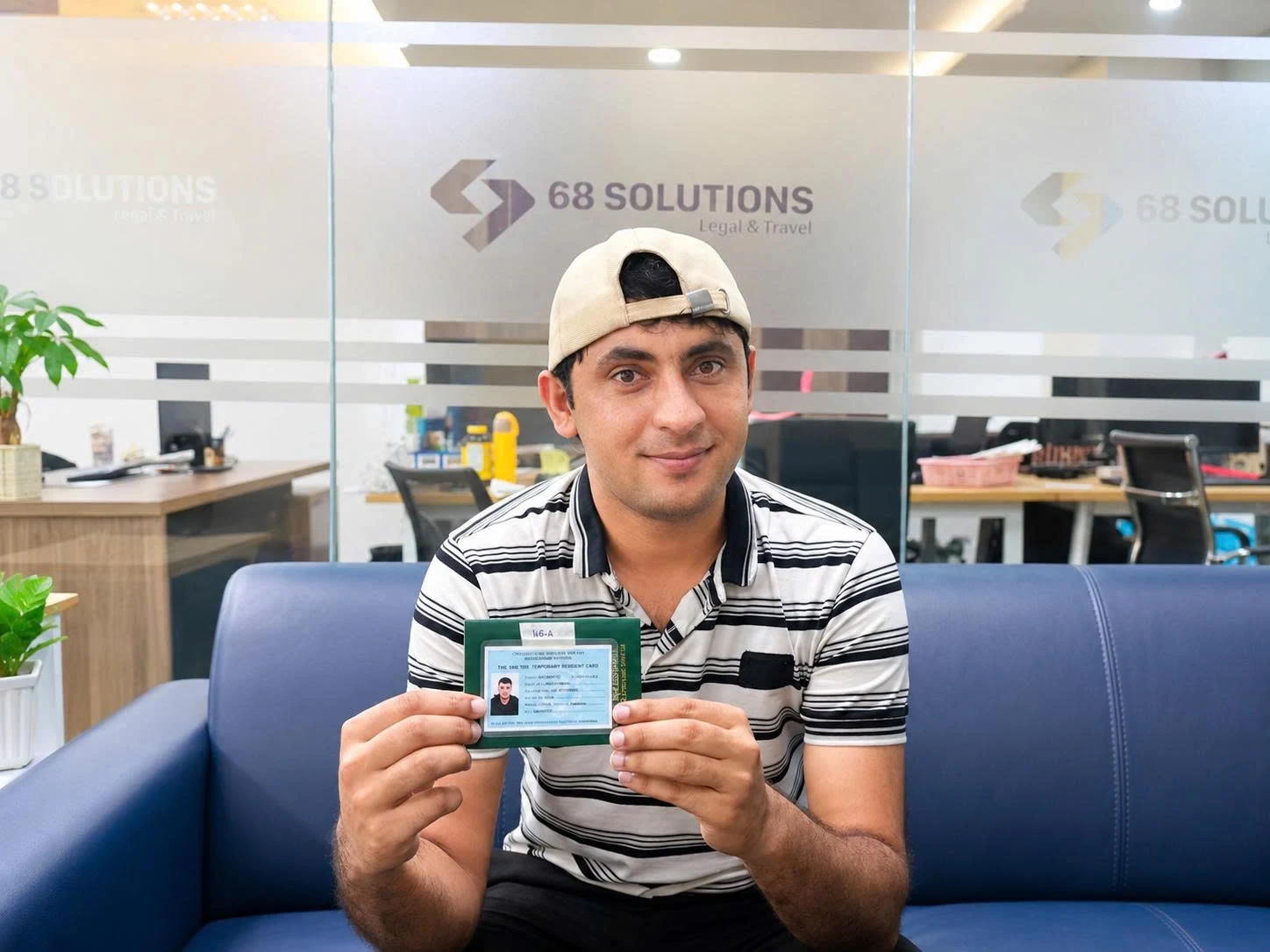
By Day 10, DOLISA updated the portal status to “Approved.” The CEO’s physical work-permit card was ready for collection on Day 11.
Human Insight: Having practiced empathy-driven communication—acknowledging the officer’s role in safeguarding national labor standards—helped establish rapport and streamlined the interview.
Results & Timeline Recap
| Day | Milestone |
|---|---|
| 1 | E-Visa 24-hour rush applied |
| 2 | E-Visa approved; dossier assembly begins |
| 5 | Dossier fully compiled and pre-audited |
| 6 | Express work-permit submission (evening slot) |
| 8 | Interview scheduled; mock‐prep sessions |
| 9 | Remote video interview conducted |
| 10 | Work permit approved in express lane |
| 11 | Permit card collected; CEO enters workforce |
This five-day turnaround far outpaced the standard 10–15 business days, enabling GlobalTech to honor their Day 14 office-opening commitment—saving estimated relocation and opportunity costs of over USD 50,000.
Key Takeaways & Best Practices
- Pre-Coordinate E-Visa & Permit Dossiers: Align your E-Visa Vietnam entry number with your Form NA5 to eliminate data-entry errors.
- Audit Documents Early: Engage corporate business visa services Vietnam for compliance checks—especially for apostilles, translations, and notarizations.
- Leverage Off-Peak Submission Slots: File during low-traffic hours to reduce portal lag and tap into possible priority handling.
- Select Express Processing Under Decree 70/2023: The five-day lane is worth the modest surcharge when timelines are non-negotiable.
- Practice Human-Centered Interview Prep: Empathetic, concise storytelling about your professional role builds rapport with DOLISA officers.
- Maintain Proactive Follow-Up: Daily portal checks and rapid responses to requests keep your application moving through the express queue.
Conclusion
This case study demonstrates that with careful planning, smart use of Decree 70/2023 express lanes, and collaboration with corporate business visa services Vietnam, even executive-level work permits can be approved in a matter of days. Whether you’re facing an urgent e-visa application Vietnam, managing multiple C-suite relocations, or simply aiming to optimize your human-resources workflows, these strategies will give you the edge.
Ready to fast-track your executive’s Vietnam work permit?
Contact 68Solutions today for tailored express-lane support, comprehensive dossier audits, and end-to-end compliance—so your leadership can hit the ground running:
📧 68s.marketing@gmail.com | ☎️ (+84) 98 2500 802
Let us handle the bureaucracy while you focus on strategic success in Vietnam!