Post-Approval: Your Obligations After Receiving a Vietnam Work Permit
Congratulations—you’ve secured your Vietnam work permit, a major milestone in your expatriate journey. But the process doesn’t end at approval. Once you hold that critical document, you and your employer must fulfill a series of legal obligations to maintain compliance, safeguard your status, and pave the way for your Temporary Residence Card (TRC). Whether you first apply E-Visa Vietnam, arranged an urgent e-visa application Vietnam, or partnered with corporate business visa services Vietnam, understanding these post-approval tasks ensures a seamless transition from permit issuance to productive, law-abiding worklife.
Table of Contents
- Notify DOLISA of Your Start Date
- Register for Social Insurance & Personal Income Tax
- Obtain Your Temporary Residence Card (TRC)
- Report Your Residential Address
- Adhere to Labor Code Requirements
- Prepare for Permit Renewals & TRC Extensions
- Maintain Open Communication with HR & Authorities
- Leverage Corporate Business Visa Services Vietnam for Ongoing Support
- Conclusion & Call to Action
1. Notify DOLISA of Your Start Date
Deadline: Within 30 days of work-permit issuance.
Once you receive your permit card, your employer must file a Commencement Report with the provincial Department of Labor, Invalids & Social Affairs (DOLISA). This report—often called the “Foreign Employee Report”—confirms:
- Your full name and passport details
- Your job title, salary, and place of work
- The exact date you began employment
Why It Matters:
Filing this report on time activates your legal working status. Missing the 30-day window can trigger fines for both you and your employer and may complicate your upcoming TRC application under Decree 70/2023.
Human Tip:
Ask your HR representative to share a copy of the submitted report. It’s your proof that you’ve complied with this essential step.
2. Register for Social Insurance & Personal Income Tax
Social Insurance (SI):
Under Vietnam’s Social Insurance Law, both employee and employer contributions are mandatory. Your HR or payroll team will:
- Enroll You in the SI System: Submit your work-permit copy and permit report to the Social Insurance Agency.
- Deduct & Remit: Monthly contributions—employer pays ~17.5%, you pay ~8% of your salary.
Personal Income Tax (PIT):
Vietnam applies progressive PIT rates. Your employer must:
- Register Your Tax Code: Within 10 days of your commencement report.
- Withhold Taxes: Deduct monthly tax according to your earnings bracket.
- File Annual Returns: Assist you with the final PIT settlement each March.
Why It Matters:
Timely SI and PIT registration protects your rights to social benefits (pension, healthcare) and avoids tax penalties. It also aligns your records for future permit renewals and TRC extensions, as authorities cross-verify your contributions.
Human Tip:
Keep copies of your pay slips and SI books. They’ll come in handy if any discrepancies arise during renewal processes.
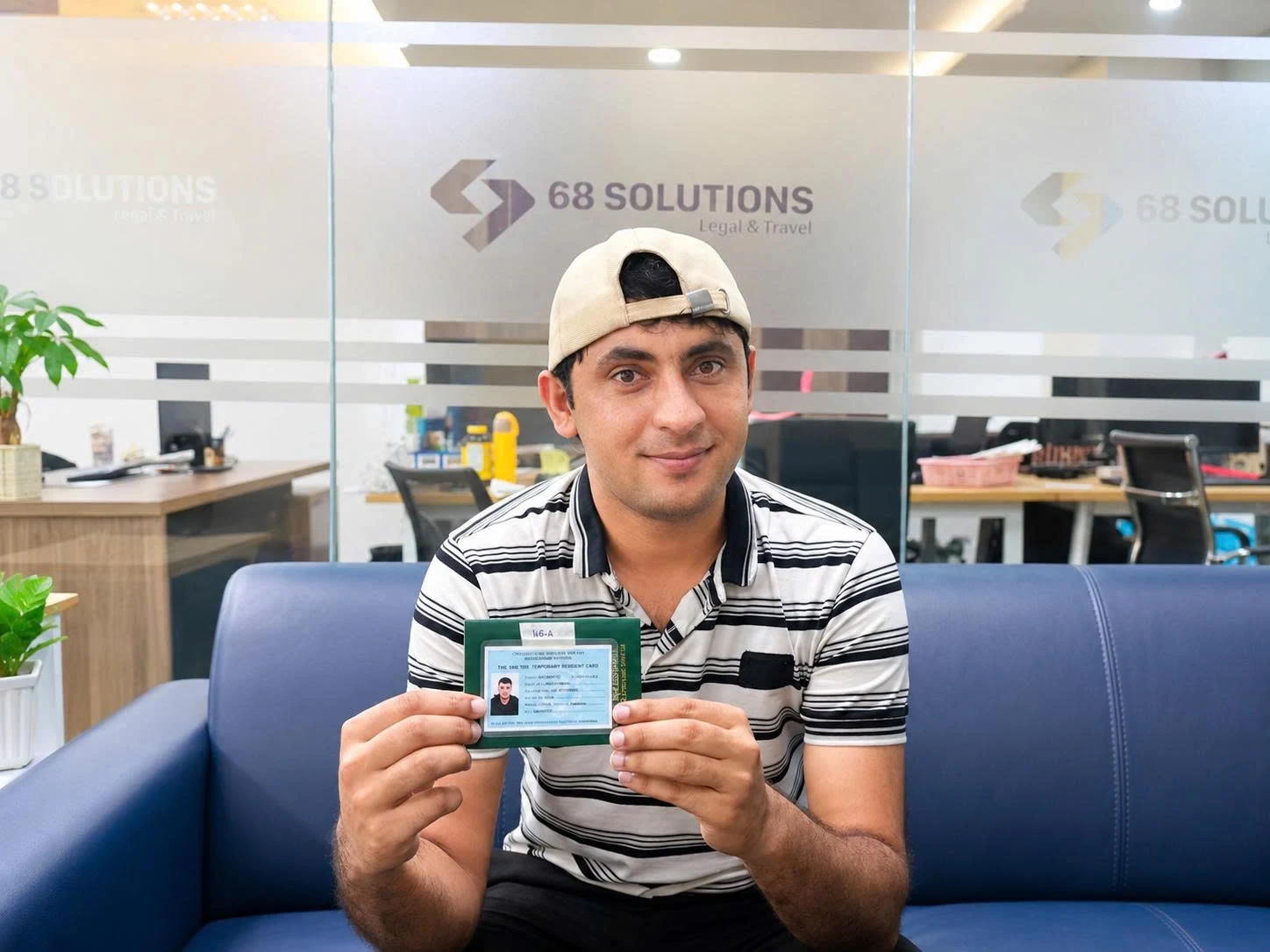
3. Obtain Your Temporary Residence Card (TRC)
Why Get a TRC?
Your Temporary Residence Card converts your single-entry work permit into a multi-year, multi-entry residency card—no more frequent E-Visa Vietnam renewals or border runs.
Application Steps:
- Form NA7: Complete the official TRC application form.
- Submit Documents:
- Passport with entry stamp (from your e-visa or embassy visa)
- Valid work permit copy
- Four 4×6 cm photos (per TRC specs)
- TRC application fee (VND 200,000)
- Processing Time: Typically 5–7 business days; express options (3–5 days) are available in major cities.
Why It Matters:
Holding a TRC not only grants multi-entry privileges but also simplifies bank account opening, property leases, and other residency-related services—critical for expatriates planning longer stays.
Human Tip:
Apply for your TRC as soon as you’ve completed your commencement report and SI/PIT registration. Bundling these tasks early avoids last-minute rushes.
4. Report Your Residential Address
Deadline: Within 48 hours of moving in.
Vietnam’s Immigration Law requires you to report any change in your residence to the local Public Security office or online portal. Your employer often assists by:
- Filing a Residence Report: Submitting Form NA2 at the local ward’s People’s Committee or online.
- Updating Corporate Records: Ensuring HR addresses match those on your TRC.
Why It Matters:
Accurate address reporting maintains your legal residency information. Failure to comply can lead to warnings or minor fines—issues that could snowball during permit renewals.
Human Tip:
Keep a copy of the stamped Form NA2 or a screenshot of the online confirmation. It’s your proof of compliance.
5. Adhere to Labor Code Requirements
Now that you’re officially on the books, your day-to-day work must align with Vietnam’s Labor Code (2019, amended 2023):
- Working Hours & Overtime: Maximum 48 hours/week, with overtime capped at 50 hours/month.
- Leave Entitlements: At least 12 paid days of annual leave, plus public holidays.
- Probation & Contract Terms: Probation capped at 60 days for skilled roles. Employment contracts must reflect actual work permit details.
Why It Matters:
Vietnam’s labor inspectors—under the Ministry of Labor—can audit foreign-staff records. Adhering to these rules ensures you and your employer avoid labor disputes or fines.
Human Tip:
Track your working hours and leave days in a simple calendar or spreadsheet. It helps you and your employer stay aligned and prepares you for any compliance reviews.
6. Prepare for Permit Renewals & TRC Extensions
Your work permit and TRC both have expiration dates—up to two years from issuance. Plan your renewals carefully:
- Renewals Window: 30–45 days before your permit or TRC expires.
- Required Documents: Updated health certificate, criminal record check (if older than six months), renewed contract, and employer paperwork.
- E-Portal Filings: Use the DOLISA e-portal, selecting express renewal (five days) if your timetable is tight.
Why It Matters:
A seamless renewal process maintains continuous legal status. Gaps can trigger overstay fines, deportation threats, or loss of SI benefits.
Human Tip:
Set calendar reminders 60 days before expiry. If possible, bundle your work permit and TRC renewals in a single submission to minimize administrative cycles.
7. Maintain Open Communication with HR & Authorities
Your legal compliance journey is a team effort. Keep these communication lines open:
- With HR: Share any personal or professional changes—address updates, marital status, investment visa inquiries—promptly.
- With Your Visa-Service Partner: If you’ve engaged corporate business visa services Vietnam, ensure they have up-to-date contact info and dossier copies.
- With DOLISA & Immigration: Monitor email or SMS alerts for any “Additional Documents Required” notices after submissions.
Why It Matters:
Proactive, transparent communication prevents small issues from escalating into major compliance breaches.
Human Tip:
Create a shared digital folder (e.g., Google Drive) with all your key documents and receipts. Grant HR or your service partner access so everyone can retrieve what they need quickly.
8. Leverage Corporate Business Visa Services Vietnam for Ongoing Support
For busy professionals and large teams, continuing with a trusted partner like 68Solutions offers:
- Automated Reminders: Calendar alerts for every reporting, renewal, and submission deadline.
- Document Audits: Periodic checks to ensure all health certificates, criminal record checks, and contracts remain within validity periods.
- Proxy Filings: HR can delegate filings—from SI registration to TRC extensions—directly to the service provider, saving time and reducing errors.
- Regulatory Updates: Real-time briefs on any changes to Decree 70/2023, labor-code amendments, or health regulations affecting your status.
Why It Matters:
Ongoing compliance is a marathon, not a sprint. Expert support provides the stamina you need to run that race confidently.
Conclusion
Receiving your Vietnam work permit is a triumph—but the real journey begins post-approval. By promptly filing your commencement report, registering for social insurance and PIT, obtaining your Temporary Residence Card, reporting your address, and adhering to labor and renewal obligations, you cement your legal standing and unlock the full benefits of living and working in Vietnam. Whether you started with an E-Visa Vietnam, raced an urgent e-visa application Vietnam, or engaged corporate business visa services Vietnam, these humanized insights equip you to thrive in your new environment.
Ready to stay compliant and streamline your post-approval tasks?
Contact 68Solutions today for automatic reminders, expert filings, and end-to-end support—so you can focus on your career, not the paperwork:
📧 68s.marketing@gmail.com | ☎️ (+84) 98 2500 802
Let us help you transform your work-permit approval into a seamless, stress-free experience!