Criminal Record Checks for Vietnam Work Permits: A Complete How-To Guide
When applying for a Vietnam work permit, one of the most critical—and often time-consuming—steps is securing a valid criminal record check. Under Decree 70/2023, DOLISA (Department of Labor, Invalids & Social Affairs) requires a fully authenticated police clearance certificate to verify you have no prohibitive criminal history. Whether you’ve entered Vietnam on an E-Visa Vietnam, face tight deadlines demanding an urgent e-visa application Vietnam, or are coordinating multiple employees via corporate business visa services Vietnam, understanding each step—from obtaining your certificate to integrating it into your dossier—ensures a smooth, stress-free process. This comprehensive, human-centered guide will walk you through everything you need to know.
Table of Contents
- Why a Criminal Record Check Matters
- Legal Framework: Decree 70/2023 & Immigration Rules
- Step 1: Requesting Your Criminal Record Certificate
- Step 2: Apostille or Consular Legalization
- Step 3: Translation & Notarization
- Step 4: Integrating with Your Work Permit Application
- Express & Corporate Options for Urgent Scenarios
- Common Pitfalls & How to Avoid Them
- Checklist & Timeline
- Conclusion & Call to Action
Why a Criminal Record Check Matters
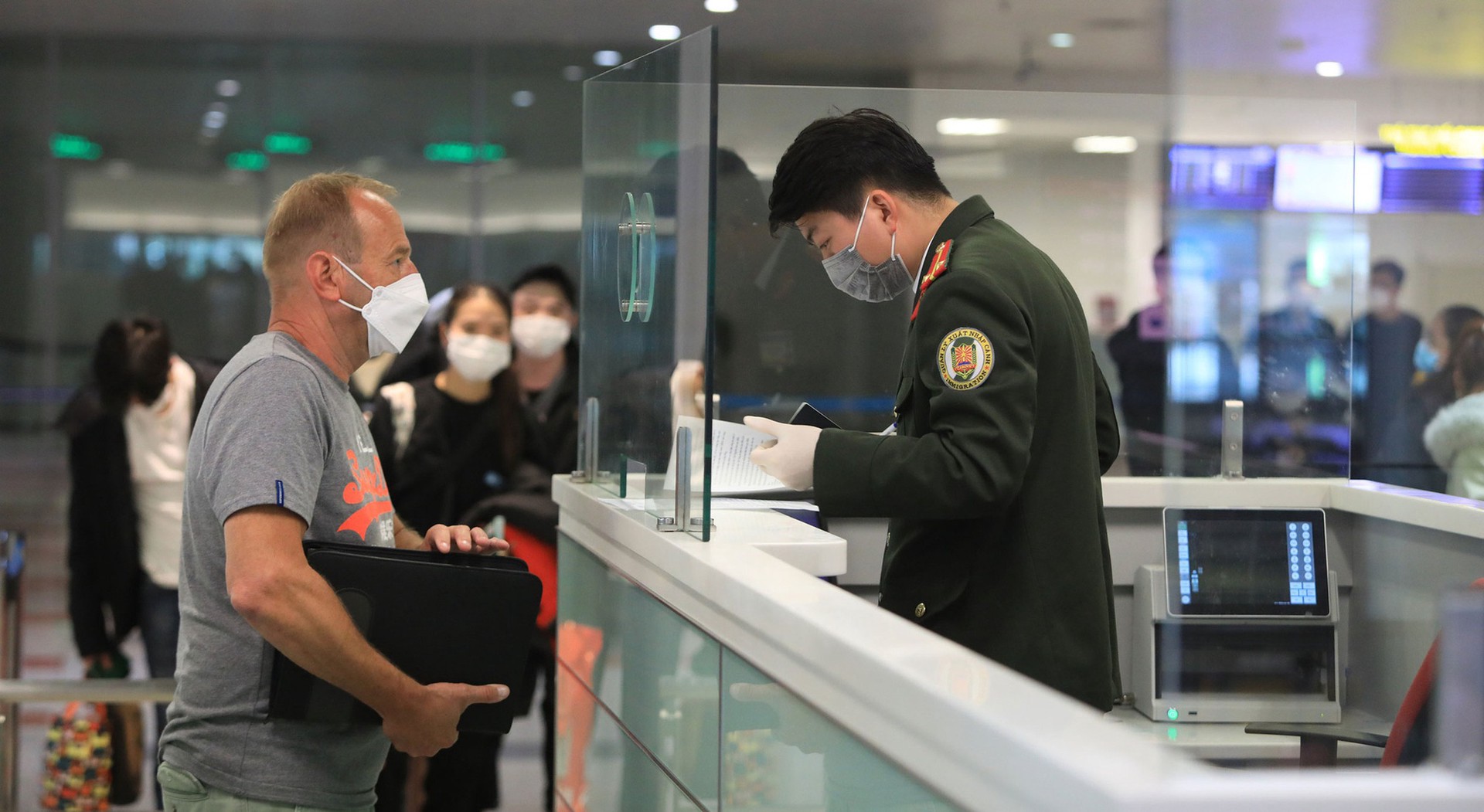
Vietnam’s immigration authorities require a police clearance certificate for all foreign nationals applying for a work permit. This document:
- Verifies Clean History: Confirms you have no criminal convictions that would bar you from employment in Vietnam.
- Protects Public Safety: Ensures workplaces remain safe and compliant with local laws.
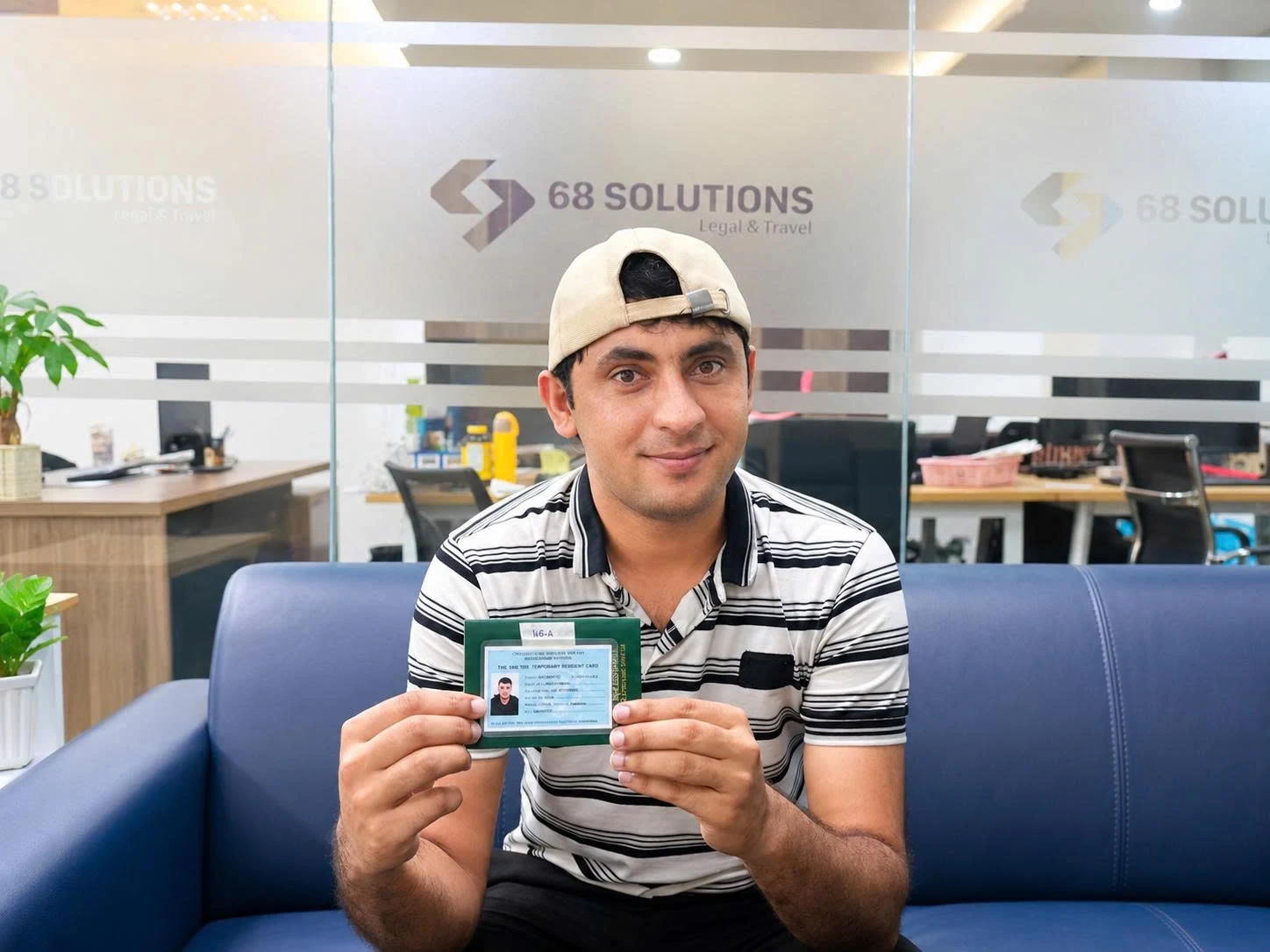
- Enables TRC & Visa Extensions: A valid work permit paves the way for a Temporary Residence Card (TRC), so you can stay longer without repeated E-Visa Vietnam renewals.
Skipping—or mishandling—this requirement is the quickest way to stall or reject your entire work-permit application.
Legal Framework: Decree 70/2023 & Immigration Rules
Decree 70/2023 streamlines Vietnam’s foreign-worker procedures, mandating:
- Authenticated Certificates: Police clearances must bear an apostille (for Hague-member countries) or consular legalization by the Vietnamese embassy.
- Certified Translations: Non-Vietnamese documents require notarized Vietnamese translations.
- Electronic Submission: Dossiers—including your criminal record—are filed via DOLISA’s e-portal, which validates uploads against strict format requirements.
These regulations work in tandem with Vietnam’s Immigration Law, ensuring criminal record checks align with national security and public health goals.
Step 1: Requesting Your Criminal Record Certificate
A. Identify Your Issuing Authority
- United States: Federal Bureau of Investigation (FBI) Identity History Summary.
- United Kingdom: ACRO Criminal Records Office.
- Other Countries: National or regional police services.
B. Submit Your Application
- Fingerprinting: Many agencies require a card-scan submission—either via an approved channeler (FBI) or local police station.
- Application Form: Complete the online or paper form, paying required fees (USD 20–60).
- Processing Time: Typically 2–6 weeks; expedited services may be available for an additional charge.
C. Choose the Right Service Level
- If you face tight deadlines, select an expedited clearance option early.
- Corporate clients can coordinate group requests through corporate business visa services Vietnam to secure multiple certificates simultaneously.
Step 2: Apostille or Consular Legalization
Once you have the official police clearance:
- Apostille (Hague-Member Countries)
- Submit to your country’s designated apostille-issuing office (often the state’s Secretary of State or Ministry of Foreign Affairs).
- Consular Legalization (Non-Member Countries)
- First authenticate with your country’s Foreign Affairs Ministry.
- Then present to the Vietnamese embassy/consulate for legalization.
Processing Tips
- Confirm processing times—apostille offices can take 3–5 business days; embassies often schedule by appointment.
- Combine legalization steps via a proxy service to minimize courier trips and ensure each stamp is correctly applied.
Step 3: Translation & Notarization
Vietnam requires non-Vietnamese documents to be translated and notarized:
- Certified Translation
- Use a translator accredited by your local Ministry of Justice.
- Ensure the translation includes a signed affidavit attesting to accuracy.
- Notarization
- Have the translator’s affidavit notarized by a licensed notary public.
- The notary validates the translator’s signature, linking the translation to the original certificate.
Humanized Tip
Keep your original certificate and translation together in a single folder—this clarity helps DOLISA officers confirm authenticity swiftly.
Step 4: Integrating with Your Work Permit Application
With your apostilled/legalized and translated certificate in hand:
- Scan High-Quality PDF: ≥300 DPI, full coverage of pages.
- Upload to DOLISA e-Portal: Under the “Criminal Record Check” section, following Decree 70/2023 instructions.
- Verify Preview: Confirm legibility in the portal’s thumbnail.
- Submit Your Dossier: Include all other required documents—contract, health certificate, employer letters—before finalizing.
A complete, properly formatted electronic submission significantly increases your chance of first-pass approval.
Express & Corporate Options for Urgent Scenarios
Express Processing
- Opt for DOLISA’s five-business-day fast-track lane when filing your work-permit dossier, paying the additional fee.
- Be prepared to respond to any “additional documents” request within 24 hours to maintain your priority status.
Corporate Business Visa Services
- Companies can enroll in bulk-submission programs with dedicated account managers.
- Services include end-to-end management of criminal record checks, apostille/legalization, and translation—reducing administrative overhead and speeding approvals.
For tight timelines, combining express lanes with professional proxy support ensures you meet project start dates without compromise.
Common Pitfalls & How to Avoid Them
| Pitfall | Prevention Strategy |
|---|---|
| Expired Certificates | Check validity before legalization; renew if over six months old |
| Missing Apostille or Consular Stamp | Confirm requirements early; book embassy appointments promptly |
| Low-Quality Scans | Use flatbed scanner; preview thumbnails and rescan if needed |
| Incomplete Translation Affidavits | Engage accredited translators; verify notary requirements |
| Ignoring Portal Format Requirements | Review DOLISA upload specs; use official templates |
Anticipating these issues keeps your application on track and avoids unnecessary re-submissions.
Checklist & Timeline
| Task | Recommended Lead Time |
|---|---|
| Request Criminal Clearance | 6–8 weeks before submission |
| Apostille / Consular Legalization | 2–4 weeks |
| Translation & Notarization | 1–2 weeks |
| Dossier Assembly & Pre-Audit | 1 week |
| Express Work Permit Submission (optional) | Target 5 business days |
Aim to begin the process at least 10 weeks before your desired work-permit approval date—adding buffer for any unexpected delays.
Conclusion
A fully authenticated criminal record check is a cornerstone of your Vietnam work permit application. By following this step-by-step guide—requesting your clearance, securing apostille or consular legalization, translating and notarizing, and leveraging Decree 70/2023’s e-portal—you’ll navigate the process confidently. Whether you need an urgent e-visa application Vietnam or corporate batch processing through corporate business visa services Vietnam, 68Solutions e-visa support stands ready to streamline each stage.
Ready to secure your criminal record check and fast-track your Vietnam work permit?
Contact 68Solutions today for end-to-end services, express options, and personalized guidance:
📧 68s.marketing@gmail.com | ☎️ (+84) 98 2500 802
Let us handle the paperwork so you can focus on your career in Vietnam!