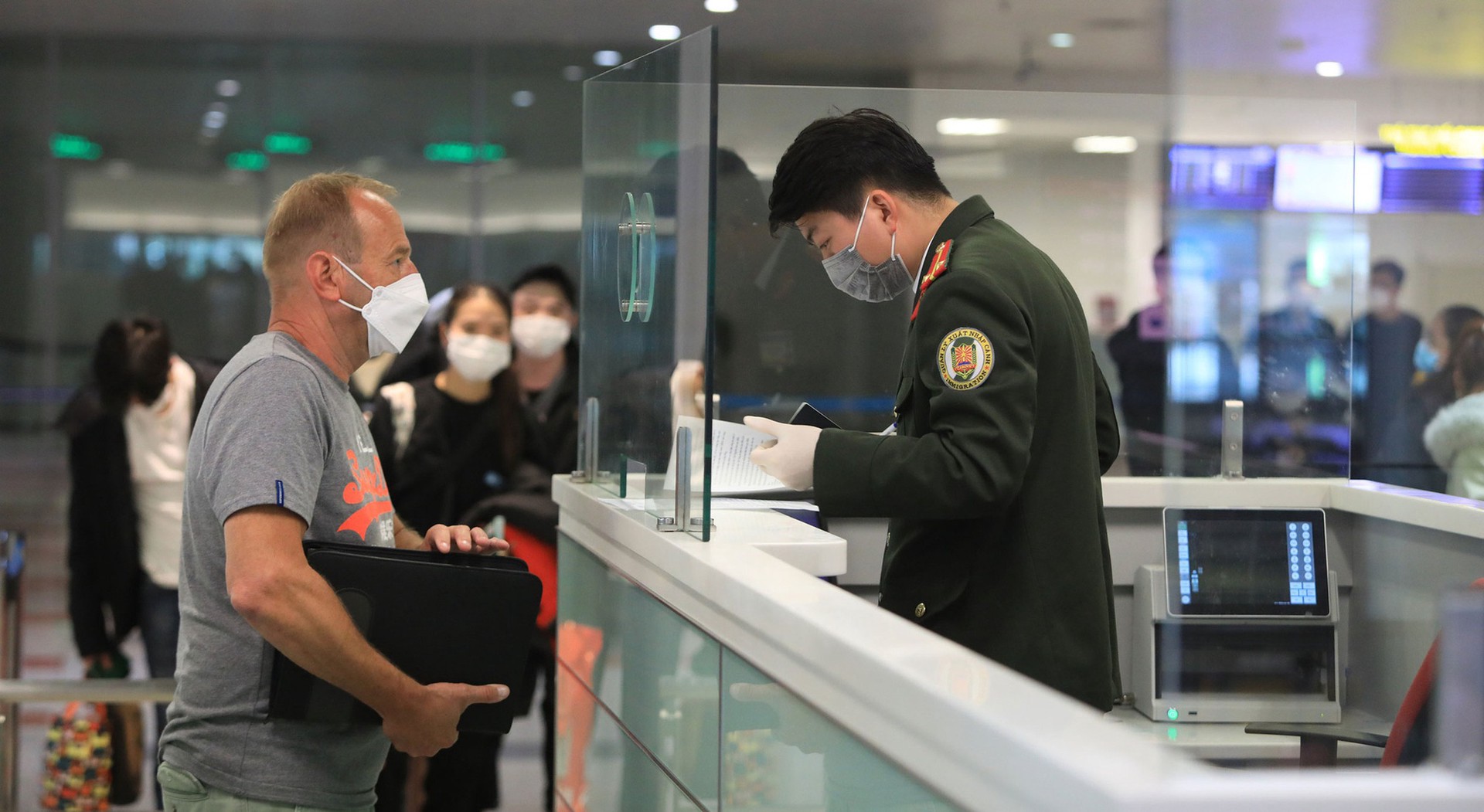
Decree 219/2025/ND-CP outlines the cases where foreign employees may be exempt from obtaining a Work Permit in Vietnam and provides specific requirements for Work Permit Exemption Certificates. This Q&A guide helps foreign-invested enterprises understand the latest exemption rules and prepare the necessary documents when hiring expatriate employees.
Overview of Work Permits in Vietnam
A Work Permit is an official legal document issued by the Department of Home Affairs (DOHA) that authorizes a foreign national to work legally in Vietnam for a specific employer, in a designated position, and for a defined period of time. It is a mandatory requirement for most foreign employees working in Vietnam, except for cases that qualify for a work permit exemption under Article 7 of Decree No. 219/2025/ND-CP.
Holding a valid Work Permit not only ensures compliance with Vietnamese labor regulations but also serves as a key basis for related immigration procedures, including Temporary Residence Card (TRC) applications and long-term employment arrangements in Vietnam.
Who Is Eligible for a Work Permit Exemption in Vietnam?
Under the 2019 Labor Code, foreign nationals working in Vietnam are generally required to obtain a valid Work Permit. However, Article 7 of Decree 219/2025/ND-CP, effective from August 7, 2025, sets out several cases where foreign employees may be exempt from this requirement. Depending on the nature of your company’s business activities and the employee’s role, the following exemption categories may be applicable:
Foreign employees may qualify for a Work Permit exemption in Vietnam in several common situations, depending on their role, purpose of entry, duration of work, and the legal status of the sponsoring organization.
1. Short-term service provision or technical emergency support
A foreign national may be exempt if they enter Vietnam for less than three months to provide services, or to resolve urgent and complex technical or technological issues that may affect business operations and cannot be handled by available experts in Vietnam.
2. Investors and company leadership roles
Certain foreign investors and company leaders may also qualify for exemption, including owners or capital-contributing members of limited liability companies, as well as chairpersons or members of the Board of Directors of joint-stock companies, provided that their capital contribution meets the required threshold.
3. Managers, executives, experts, and technical workers in specific cases
Foreign managers, executives, experts, or technical workers may be exempt if they work in Vietnam for fewer than 90 days within a calendar year, or if they are transferred internally from a foreign company to its commercial presence in Vietnam under the service sectors committed by Vietnam to the WTO.
4. Foreigners working with state agencies, international organizations, or NGOs
Exemptions may apply to foreign nationals working for representative offices, projects of international organizations, foreign NGOs, educational institutions, or priority sectors such as finance, science, technology, innovation, and national digital transformation, subject to confirmation by the competent authority.
5.Exemptions under treaties or international agreements
Some exemptions are granted under international treaties or agreements to which Vietnam is a party. These may include individuals working on ODA-funded projects, teachers or administrators assigned under treaties, students or trainees under internship agreements, volunteers, and persons performing duties under agreements signed by Vietnamese central or provincial authorities.
6. Other eligible exemption groups
Other common exemption groups include foreign lawyers licensed to practice in Vietnam, foreigners married to Vietnamese citizens and residing in Vietnam, accredited foreign journalists, eligible relatives of members of foreign representative missions, and persons entering Vietnam to establish a commercial presence.
Conclusion
Although most foreign nationals working in Vietnam are required to obtain a valid Work Permit, Decree 219/2025/ND-CP provides a number of exemption categories for specific groups such as investors, intra-company transferees, short-term technical experts, foreign spouses of Vietnamese citizens, and individuals working under international agreements.
Determining whether a foreign employee qualifies for a Work Permit exemption requires careful review of their position, purpose of work, supporting documents, and the applicable legal regulations. Employers should ensure that the correct exemption procedures are followed to avoid compliance risks and potential administrative penalties.
If you are unsure whether your foreign employee needs a Work Permit or qualifies for an exemption, 68 Solutions can assist with eligibility assessment, document review, Work Permit Exemption Certificate applications, Work Permit procedures, and related immigration services. Our team helps businesses and expatriates navigate Vietnam’s labor and immigration requirements with confidence and compliance.
___________________________________
68Solutions – Legal & Travel
Consulting & Partnerships Department
 Address: 6th Floor, 117 Hoang Cau Street, Dong Da Ward, Hanoi, Vietnam
 Hotline/WhatsApp/Zalo: (+84) 935 595 536
 Email: sales@68solutions.vn
 Website: https://68solutions.vn/
More: